An international airport in Cotonou, four open land borders, and a commercial port. These are the country’s gateways and what they entail.
Where is Benin?
Benin on four scales
From the global level down to the departmental level: four maps to understand Benin’s position in West Africa and to see where we’ve come from and where we’re heading.
Scheduled flights · Cotonou Airport (COO)
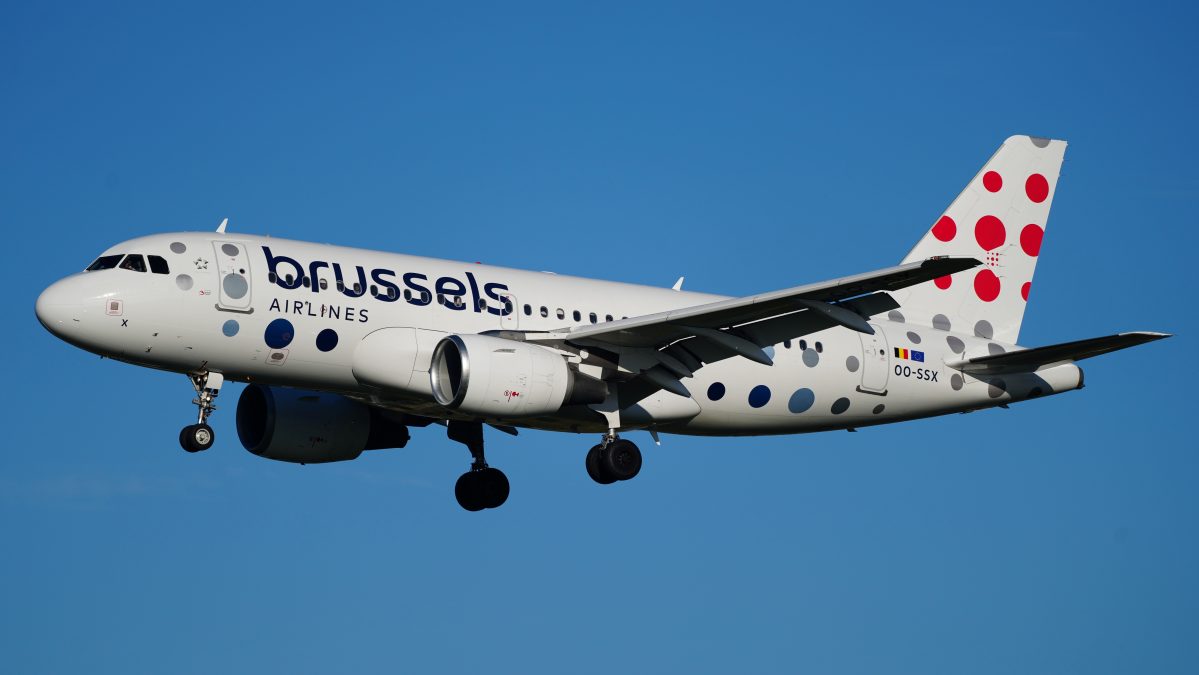
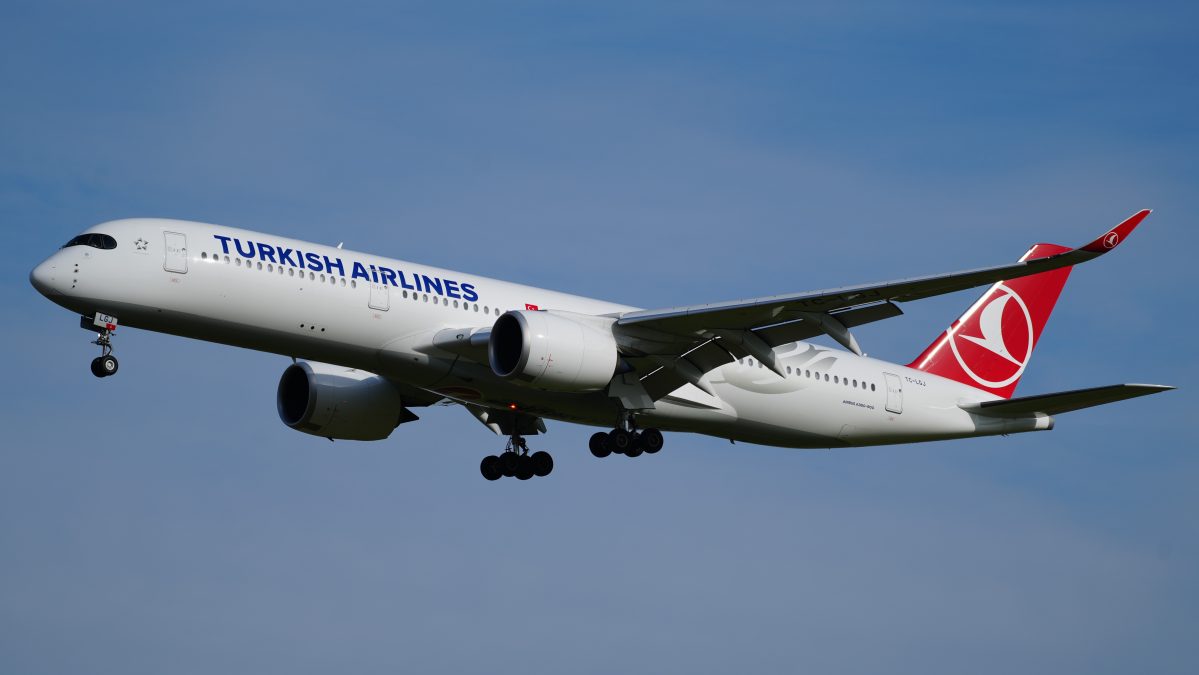
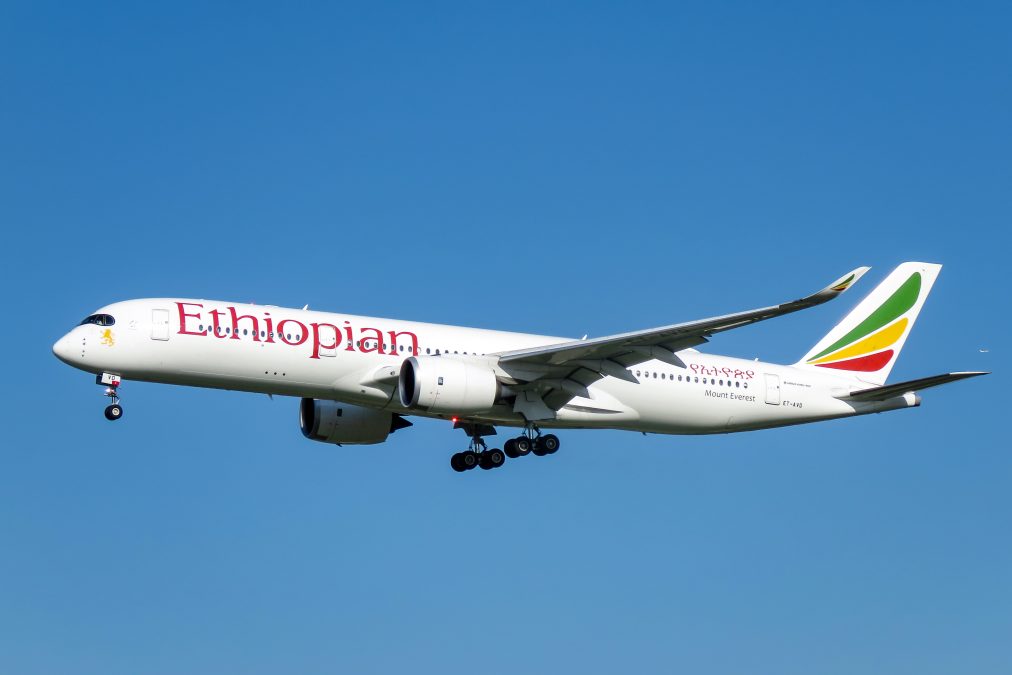
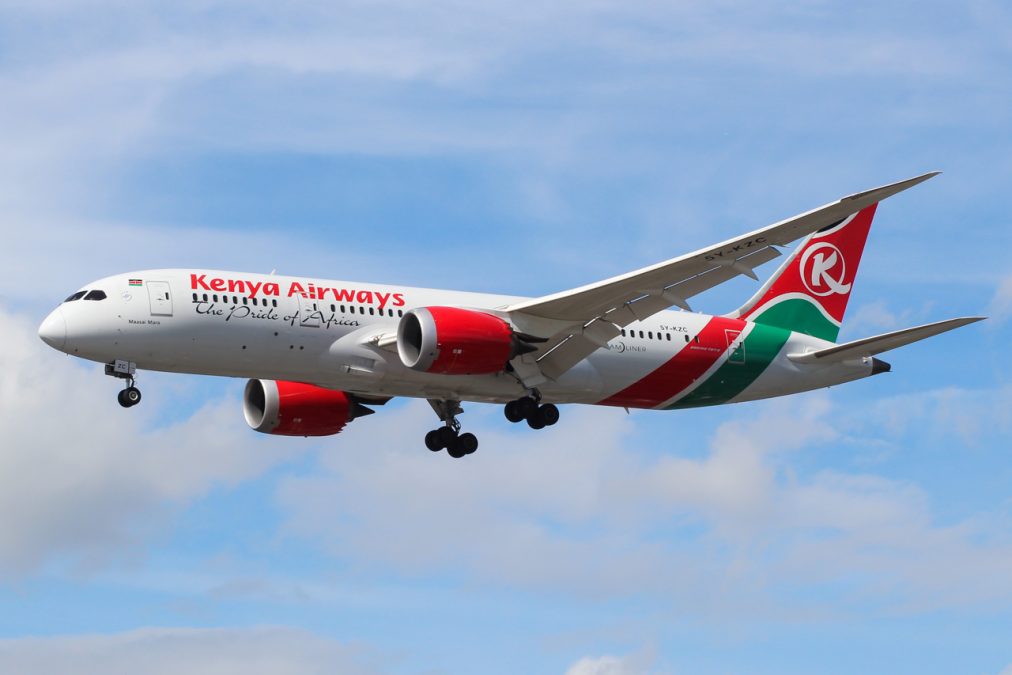
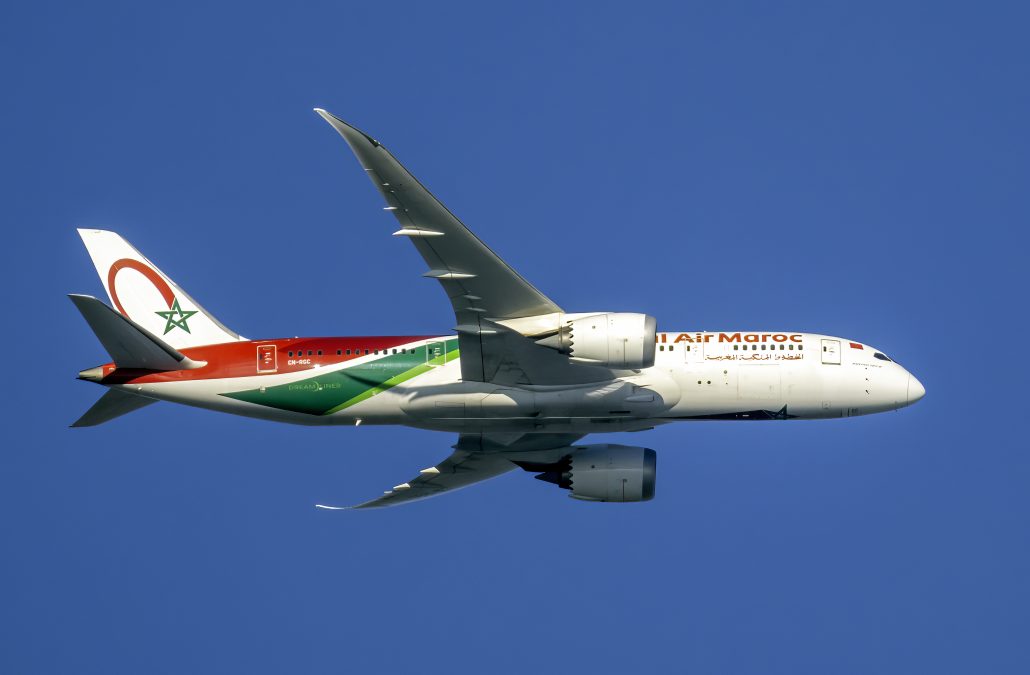
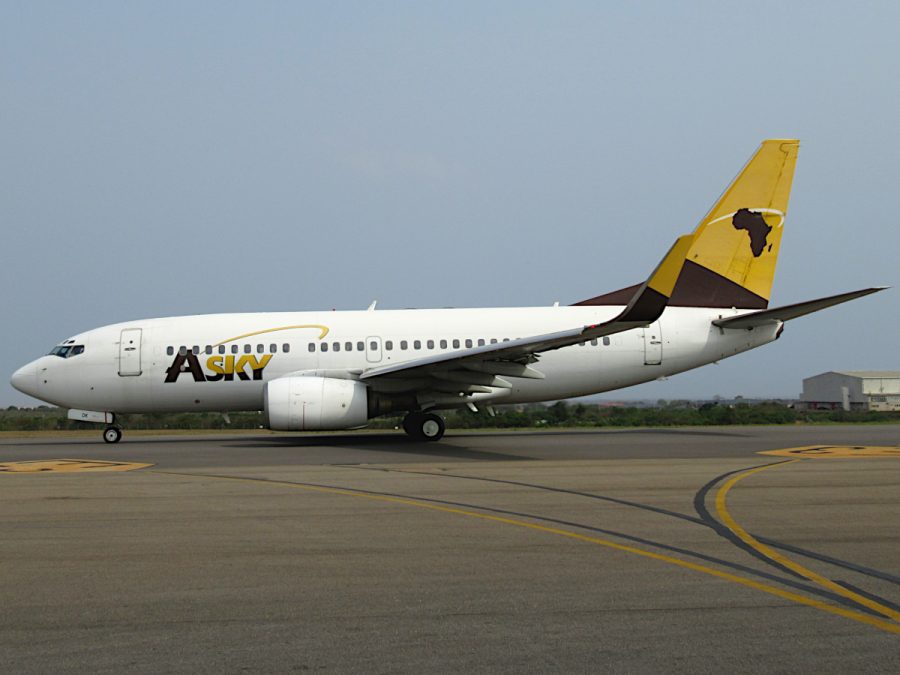
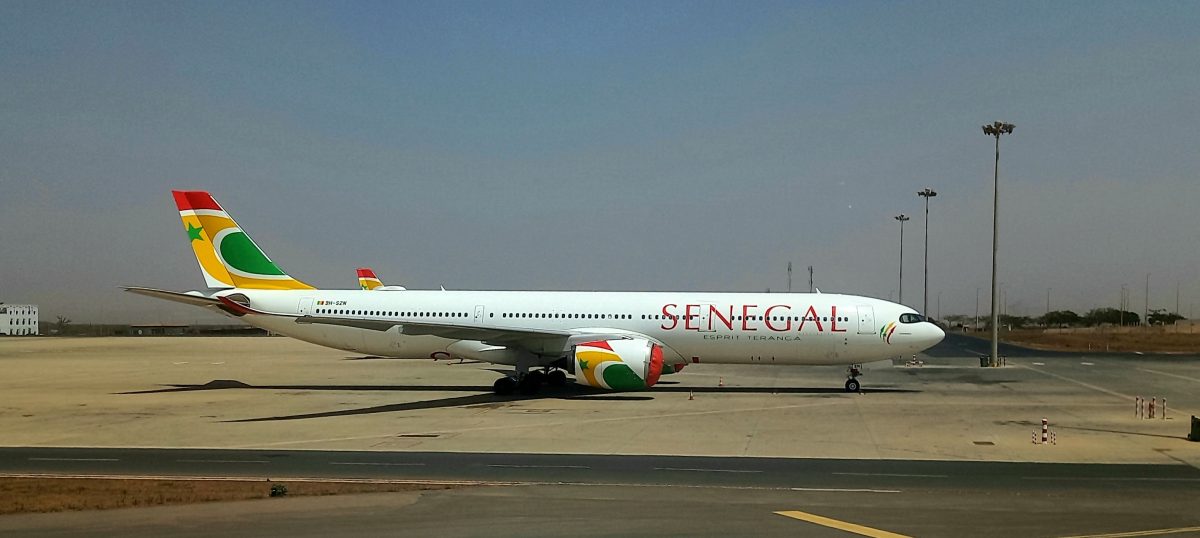
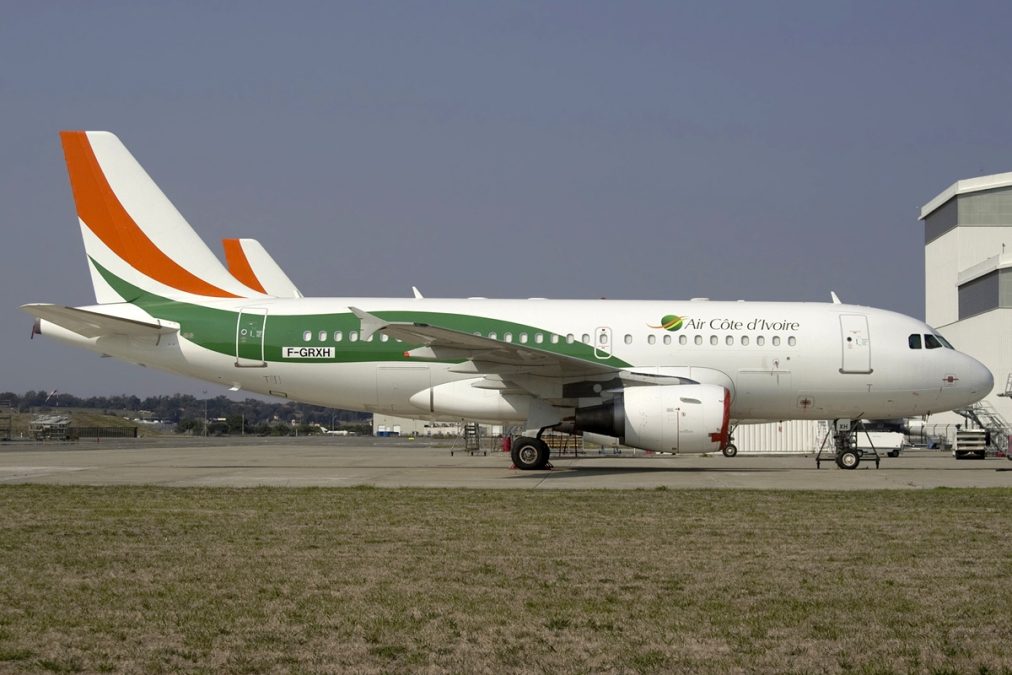
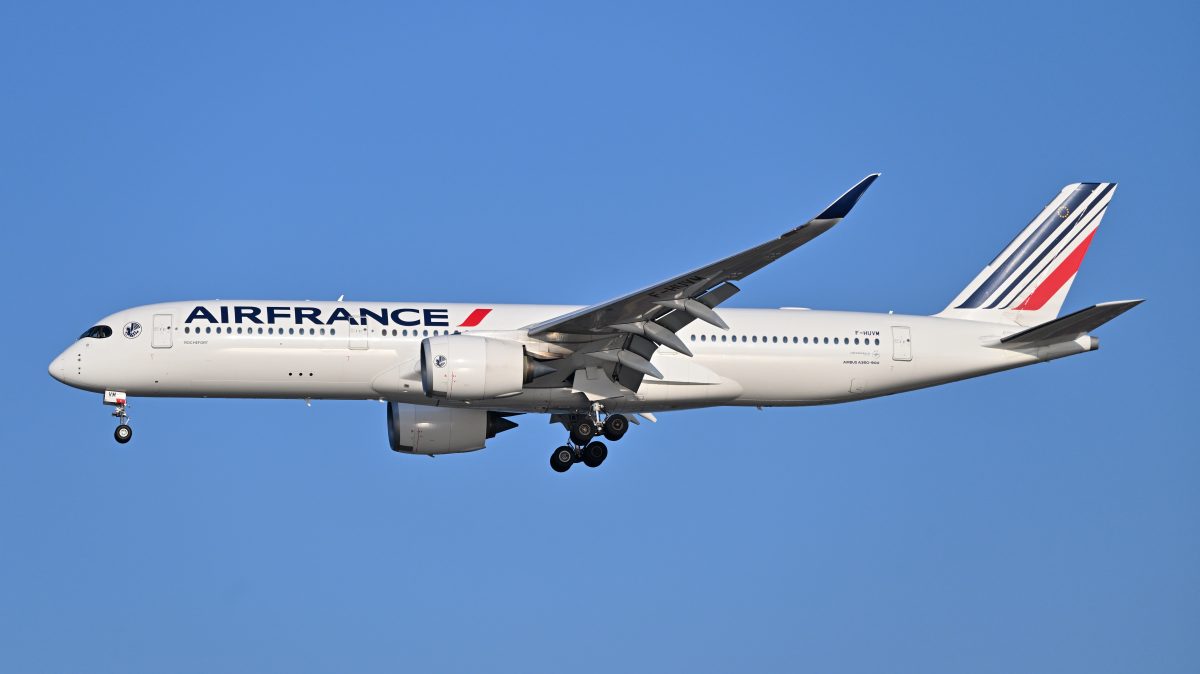
Airlines
There are direct flights to Cotonou from Europe (Paris, Brussels) and from across Africa via major hubs (Addis Ababa, Nairobi, Casablanca, Istanbul, Lomé, Dakar, Abidjan).
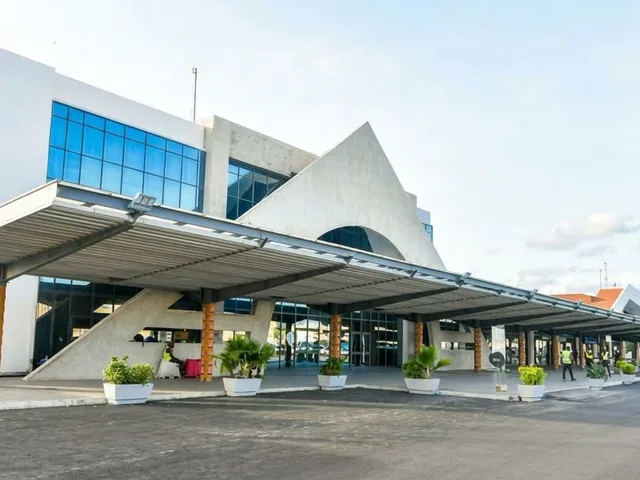
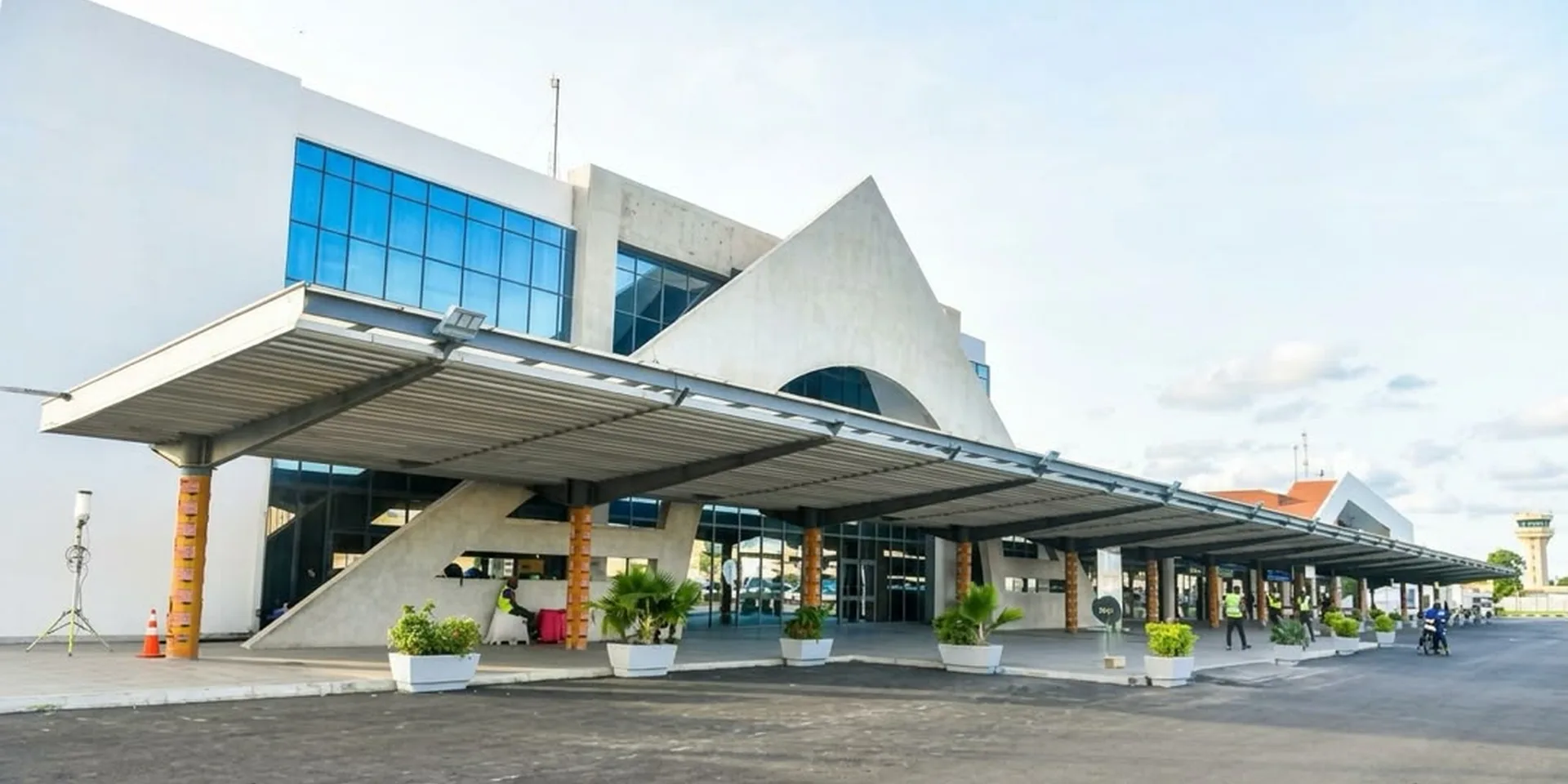
On arrival in Cadjèhoun
At the terminal, you must present your passport, printed e-visa, yellow fever vaccination certificate and return ticket. Full details of the formalities can be found on the relevant page.
The airport is situated in the Cadjèhoun district, around 4 km from the centre of Cotonou — a 15 to 30-minute journey depending on traffic. Arrange for a pick-up: an official taxi, a ride-hailing service (Yango, Gozem), a private transfer with Dahomey Discovery, or your hotel’s shuttle bus.
Alternatives to air travel
Other entry points
Land borders
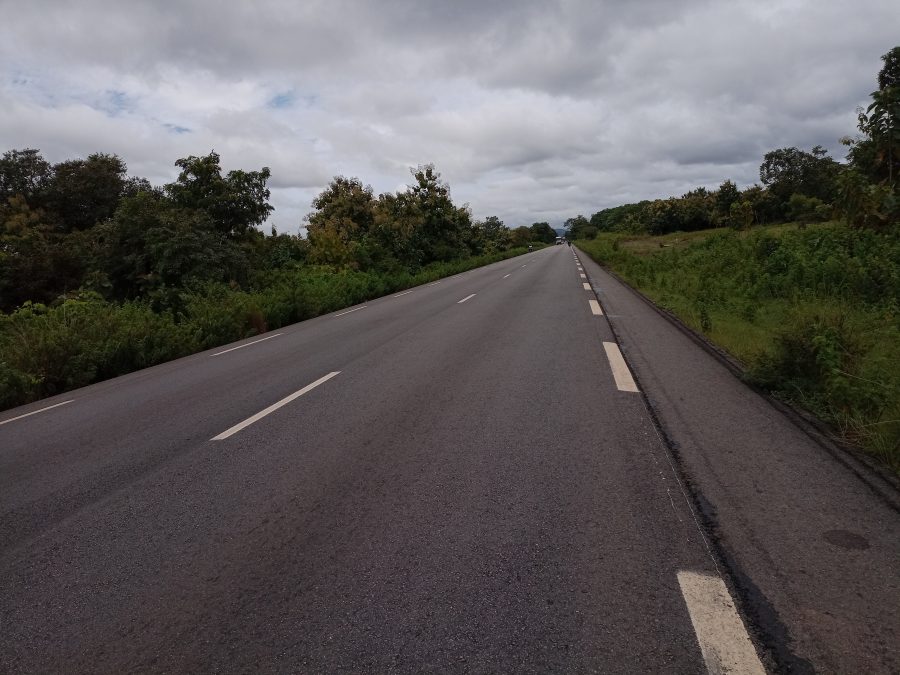
By road
Four open land borders, two of which are genuinely accessible to travellers — Togo to the west and Nigeria to the east.
- Hillacondji (Togo, coastal road from Lomé) — the easiest route, good road, regular transport services
- Kraké (Nigeria, near Lagos) — very busy, with long queues at times
- Malanville (Niger) and posts in Burkina — areas currently not recommended for travel
Commercial port
By sea
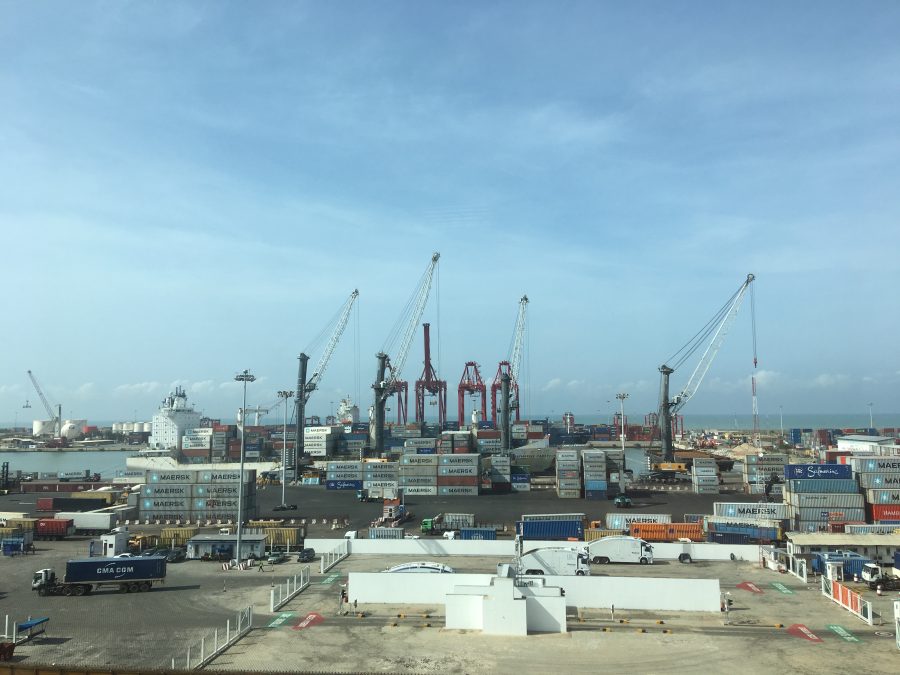
The Autonomous Port of Cotonou is a commercial port and one of the busiest in the Gulf of Guinea. It is not a regular tourist destination, but a few cruise ships do call at the port.
- Freight transport — West Africa’s logistics hub
- Cruise ship stopovers — one-off visits, no regular service
- Leaving the port — going through customs, private hire transfer to the city centre