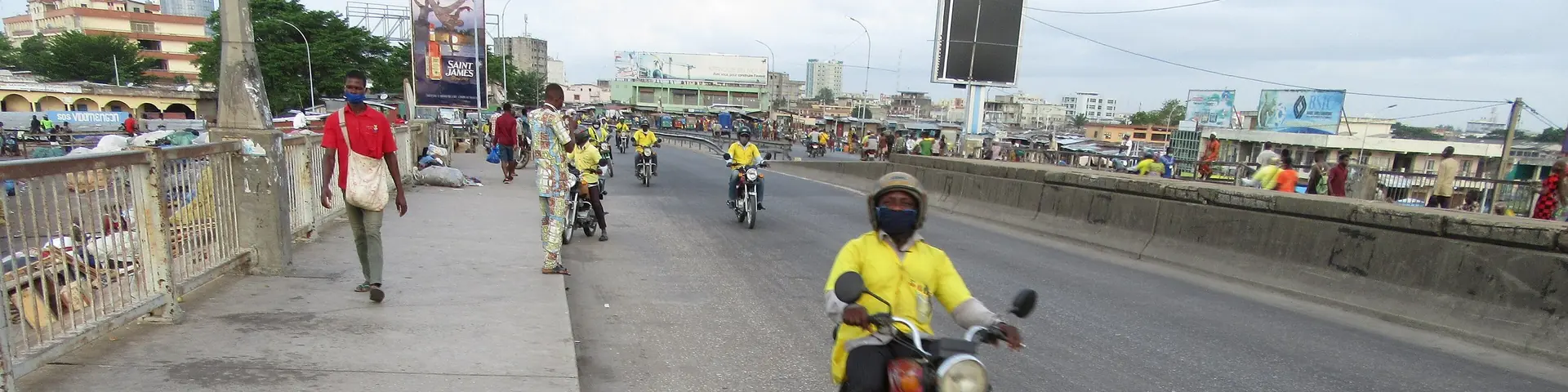
Zémidjan, le taxi-moto de Cotonou
©

Zémidjan, the motorbike taxi in Cotonou

|

Rachad Sanoussi / CC BY-SA 4.0 — Wikimedia Commons

All the practical information

Visas, vaccinations, money, transport, weather, safety: the following six pages set out what you need to sort out before you set off. Regulatory and safety information is subject to change — always check the official source before you travel.
What you need to prepare

Benin accepts travellers of most nationalities with an e-visa issued online, valid for between 30 and 90 days. Passports must be valid for six months after the date of entry. The yellow fever vaccination is compulsory, and malaria prophylaxis is strongly recommended all year round.

The currency is the CFA franc (F CFA), which is pegged to the euro (1 € = 655.957 F CFA). In Cotonou, you can pay by card in larger establishments; elsewhere, cash is king. Withdrawals can be made from BOA, Ecobank, UBA and Orabank cash machines.

Useful information whilst you’re there

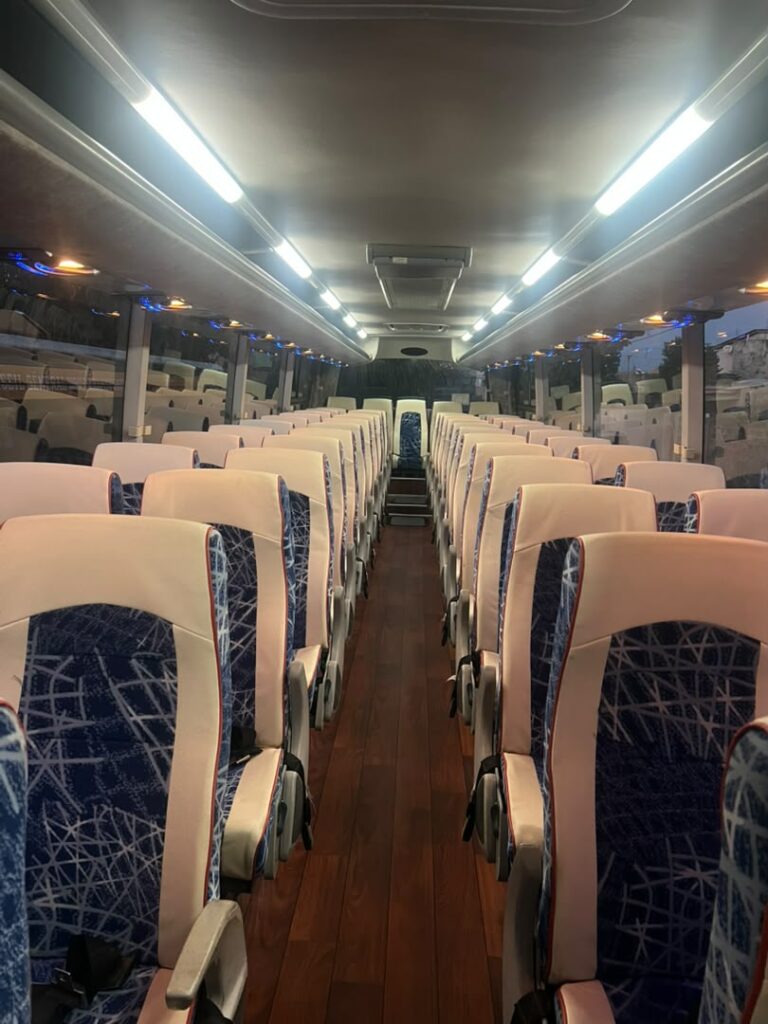
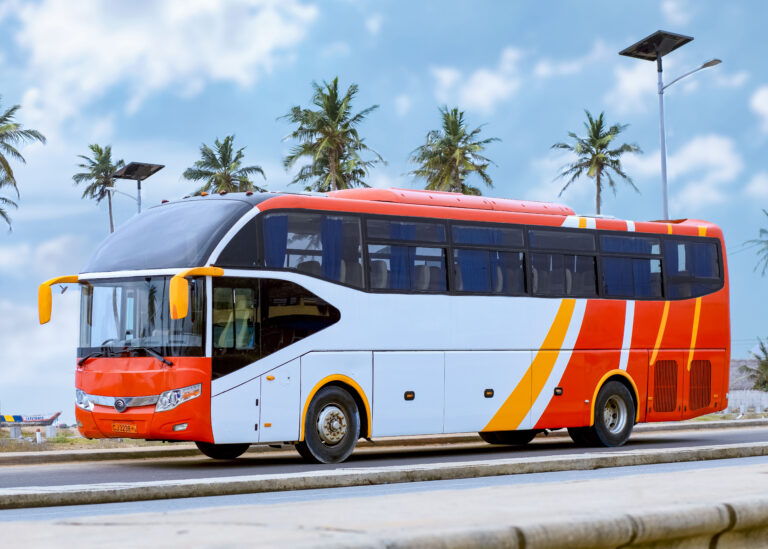
Cardinal Bernardin Gantin International Airport in Cotonou is the main gateway. From Europe, the flight time from Paris is six hours (direct flights with Air France, Air Sénégal and Brussels Airlines). Once there, there are taxis in Cotonou, zémidjans (motorbike taxis) everywhere, and intercity buses to Parakou, Natitingou, Porto-Novo and Abomey.

The dry season, from November to March, is the best time to visit — temperatures are around 30 °C by day and 22 °C at night, with very little rain. The harmattan (a dry wind from the Sahel) blows from December to February, bringing misty skies, particularly in the north.