Around the parks and on the lakes, accommodation takes on a different form: campsites, village guesthouses and bush lodges. Closeness to nature, peace and privacy, eco-friendly tourism and a complete break from it all… So many benefits for you.
01
Bush camps
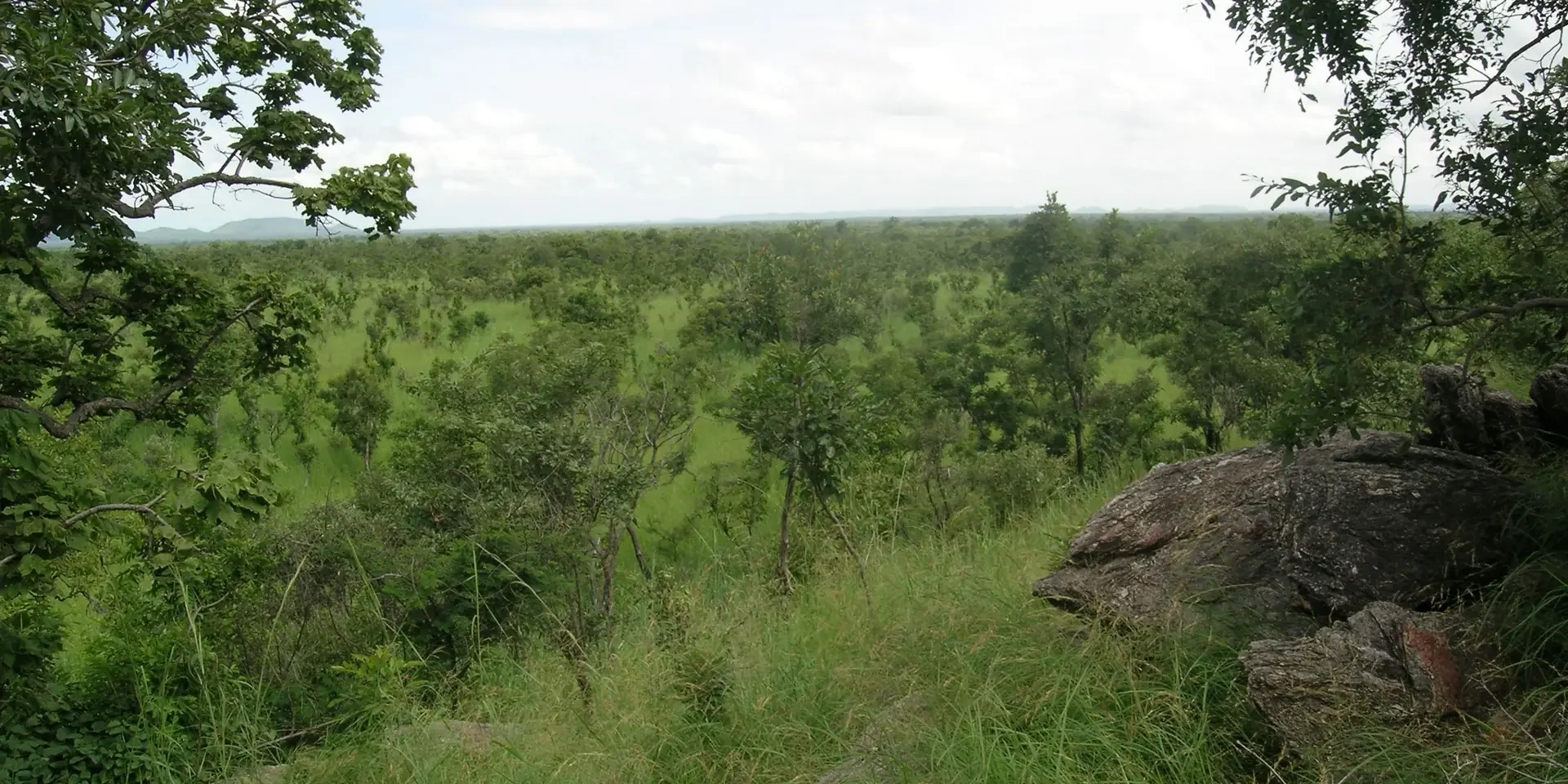
Around the protected areas in the north, accommodation is seasonal and depends on when the parks are open. The lodges are basic: single rooms, with a fan or air-conditioning powered by a generator, and communal meals. Their main attraction is their location, either at the park entrance or within the park itself, which allows guests to go out at the times when the animals are active.
Access to the northern parks depends on the security situation, which has changed significantly. Please check with the park manager and read the Security page before booking anything.
02
Community holiday cottages
These are the most interesting places to stay in the country. Run by village associations, they pay a share of their takings directly back to the village. In Koussoukoingou, in the Atacora region, you can stay in an ecolodge or on the terrace of a tata. In Possotomé, on Lake Ahémé, there is a guesthouse and a campsite right by the water’s edge.
You don’t go there for the comfort, but for what you come to understand whilst staying there. A tata betammaribe makes more sense when explained from its terrace than from a poster.
03
Book
These organisations rarely use international booking platforms. They are contacted via the managing association or a local operator, often by telephone. Make sure you have cash to hand: card payments are not accepted.
Book early for the dry season, from November to February, and for the entire Vodun Days period.