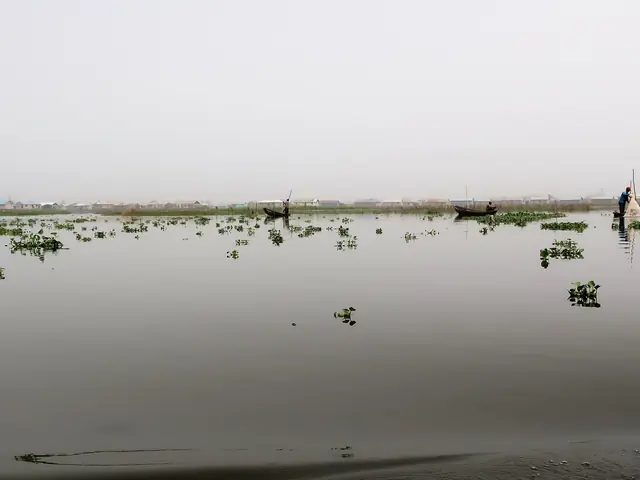
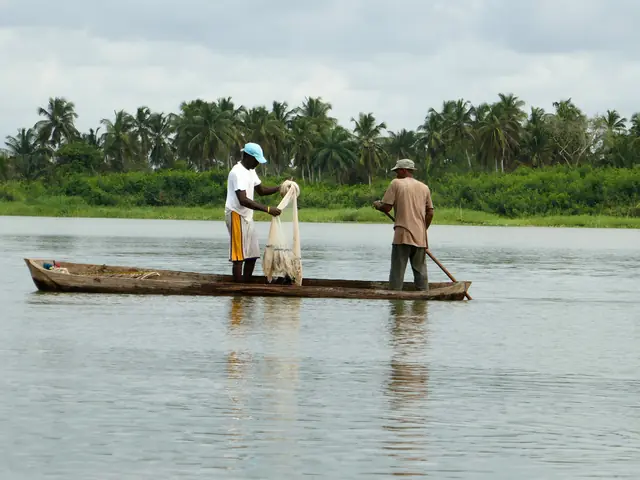
Pêcheurs sur le lac Nokoué
©

Fishermen on Lake Nokoué

|

Kulttuurinavigaattori / CC BY-SA 4.0 — Wikimedia Commons

The riches of the coastline

Fishing and the canoe: a guide to observing

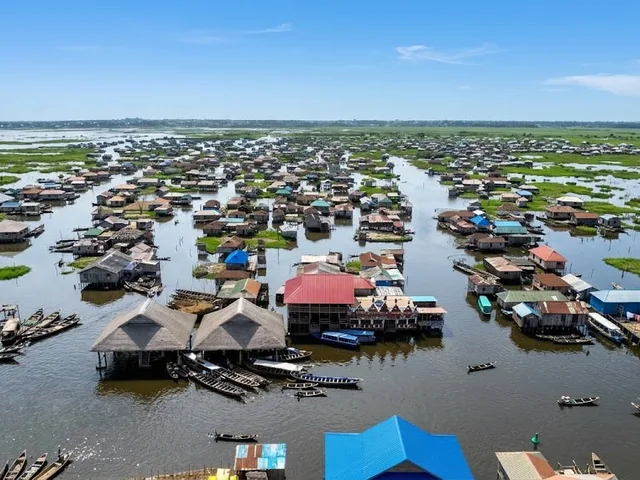
Benin stretches from the Gulf of Guinea to the Atacora Hills. From the royal palaces of Abomey to the lakeside town of Ganvié and the World Heritage-listed parks in the north, the country boasts a diversity rarely found in West Africa within its compact territory.

A seine net dragged across the sand, branches stuck in the lake, fish traps at the bottom of a channel: every body of water in Benin has its own technique. Here’s what to look out for, where, and at what time.

Out at sea, the beach seine

On the sandy spit between Cotonou, Ouidah and Grand-Popo, beach seine fishing is the most visible activity. A canoe takes the net out to sea in a semicircle, then two lines of men, women and teenagers haul in the two arms of the net from the sand. This takes a long time and is accompanied by singing, which sets the pace.

What you see being landed reflects the state of the stock: lots of very small fish, few large ones. Beach seine fishing is widely criticised throughout West Africa for this very reason, as its mesh size traps juvenile fish. Locally, however, it provides a livelihood for entire villages, and that is what makes the issue so difficult.

On the lake: acadja, nets, traps

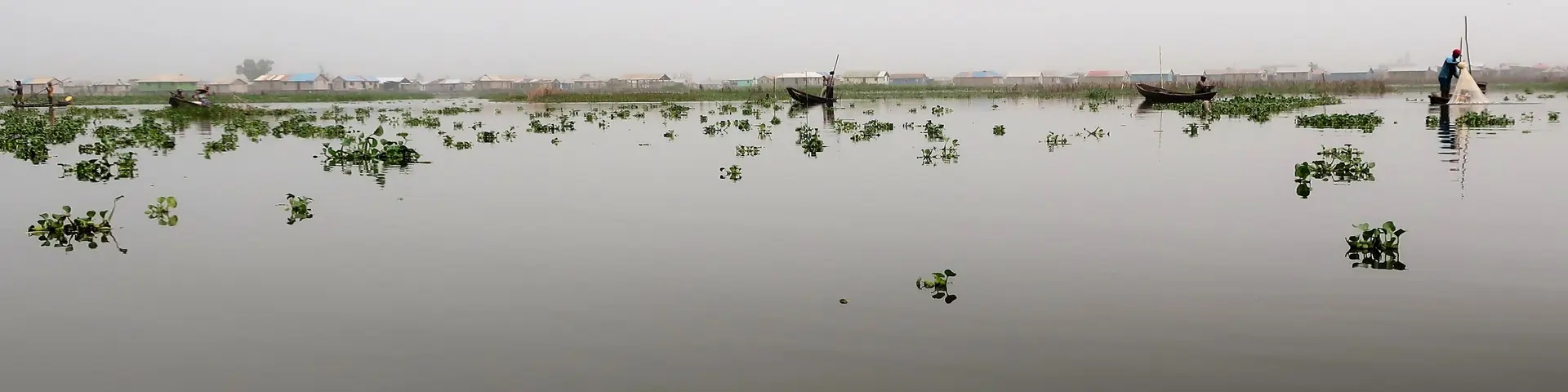
On the Nokoué and in the Porto-Novo lagoon, the most characteristic technique is the ‘acadja’: a structure of branches driven into the lake bed, left in place for several months, then encircled with a net and emptied. This is an ancient local craft and a practice that has been banned since the 2014 Fisheries Act, on the grounds that it silt up the lake. Fishermen defend it as their only guarantee of fish reproduction. Mention both when you’re asked about it.

All around, you will see hand-cast gillnets, gillnets stretched between stakes, fish traps and fixed enclosures. On Lake Ahémé, a 2005 study describes two practices of a different kind: fish pits, dug to concentrate fish in a lake that is silting up, and sections of water set aside as sacred around a vodun site, where fishing is prohibited. This constitutes a form of conservation, governed by an authority other than that of the state.

The canoe, and a useful correction

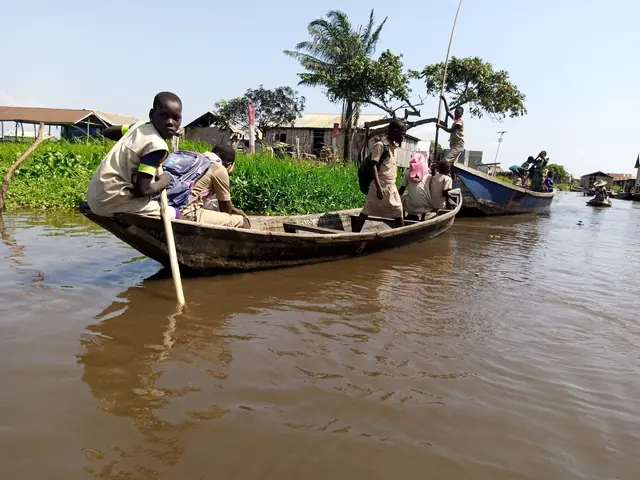
The canoe of southern Benin is a single-hulled vessel, either carved or assembled, without a outrigger. Outriggers are characteristic of the Indo-Pacific region, not the Gulf of Guinea: you won’t find any here. On the lake, which is 1.3 metres deep on average, the boat is usually propelled by a pole, with the oarsman standing at the stern. At sea, the pirogues are longer, have a deeper hull, and are often motorised.

It’s a matter of timing. Net hauls and catches returned from the sea are concentrated in the early morning. And do check the closed season calendar, which prohibits fishing in the Nokoué and the Porto-Novo lagoon for several weeks each year.

Pêcheurs sur le lac Nokoué
©

Fishermen on Lake Nokoué

|

Kulttuurinavigaattori / CC BY-SA 4.0 — Wikimedia Commons

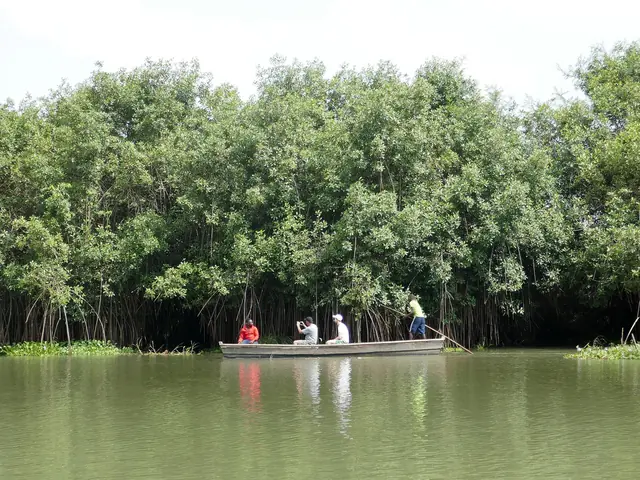
Pirogue sur le lac Nokoué
©

A canoe on Lake Nokoué

|

Adoscam / CC BY-SA 4.0 — Wikimedia Commons

La plage de Grand-Popo
©

Grand-Popo Beach

|

Kulttuurinavigaattori / CC BY-SA 4.0 — Wikimedia Commons

In practice

  • Along the coast in Mono for seine fishing; Lakes Nokoué and Ahémé for lagoon fishing techniques
  • Allow two hours for a seine net haul, and half a day for a canoe trip
  • Best time to visit: December to March, excluding the biological rest periods
  • Good to know: ask before taking photos, and offer to help haul in the net. A visitor who helps haul in the net for five minutes is treated differently from one who is filming.