JISTNA

International Days of Traditional Knowledge and Nature in Africa

JISTNA

The JISTNA brings together traditional healers, herbalists, researchers, public decision-makers and members of the public in Grand-Popo, with the aim of promoting traditional African knowledge relating to health, biodiversity and the environment.

Where Grand-Popo · Benin
When 22–23 August 2027

Two days that are a cross between a scientific conference, a cultural summit and a plant market. JISTNA advocates the view that there can be no serious environmentalism in Africa without dialogue with those who have been practising traditional medicine and pharmacopoeia for centuries.

01

Knowledge that people come to hear about

JISTNA was born out of an observation: major international conferences on biodiversity often discuss Africa without the Africans who experience nature on a daily basis. The event in Grand-Popo puts traditional practitioners, traditional leaders and herbalists back at the heart of the conversation, with scientists and public officials as partners.
02

Meetings, workshops and a market

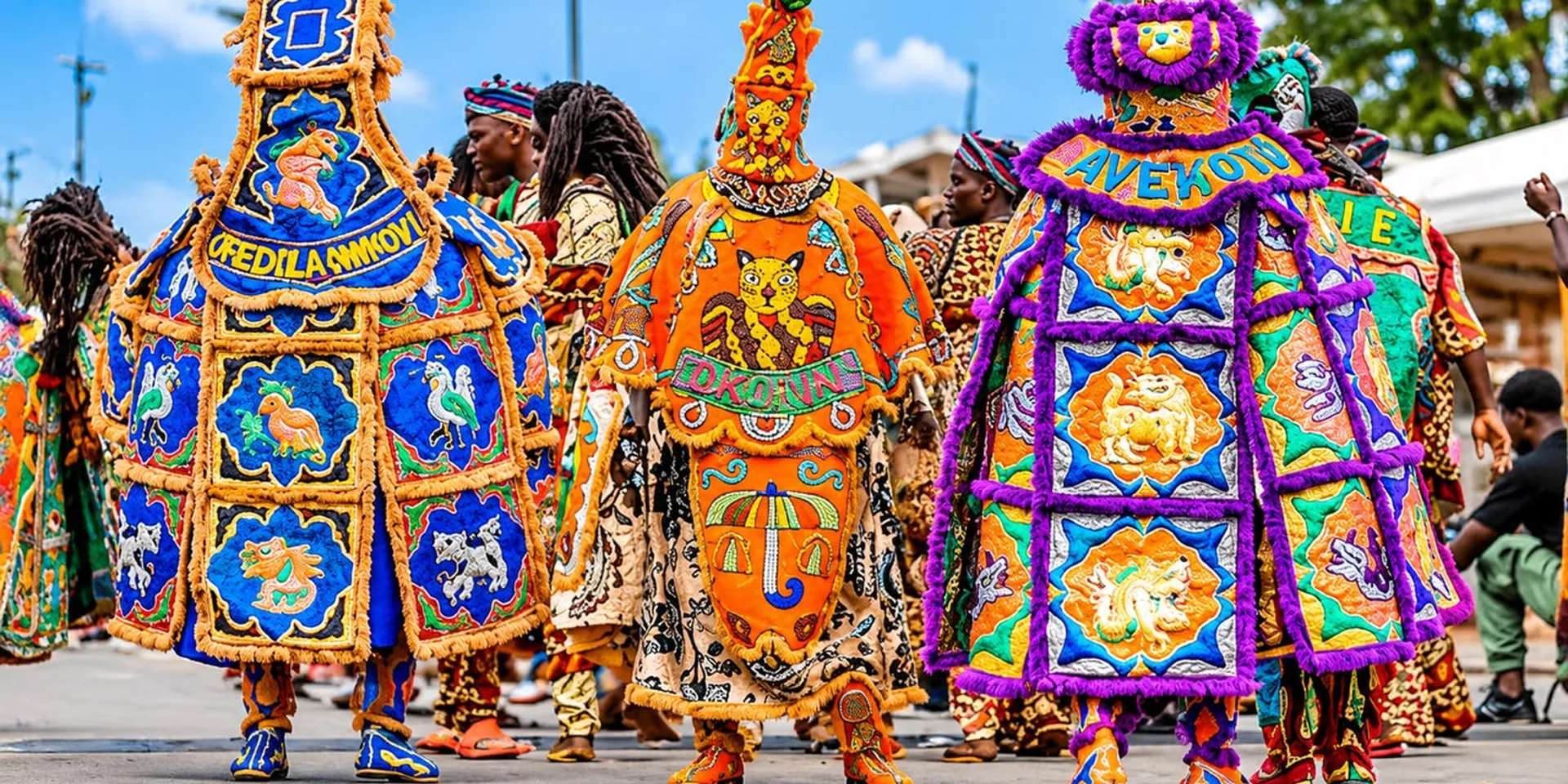
Official opening ceremony on the beach, themed round-table discussions (medicinal plants, community forest management, climate change), demonstrations of traditional medicine and healing rituals, a herbal market featuring herbalists from across the country, and an evening cultural event featuring traditional songs and dances.

03

Getting to Grand-Popo

Grand-Popo is 90 km west of Cotonou, about a 2-hour drive along the coast. Choose a hotel right on the beach — there are several cosy, intimate options available. The event is held in French, with English translation provided for international guests. Make sure you have some cash to hand for the herbalists’ market.

The visitor’s logbook

What we have come to learn

The JISTNA do not watch one another; they listen to one another. Four themes that recur in discussions with the elders and traditional practitioners.

  1. Plants with healing properties

    Leaves, bark and roots: traditional medicine remains the first port of call for many families. Herbalists explain how they identify and prepare them.

  2. Kinkeliba

    The most popular herbal tea in West Africa, drunk at breakfast. A good starting point for discussing the everyday uses of plants.

  3. The Mono Mangrove

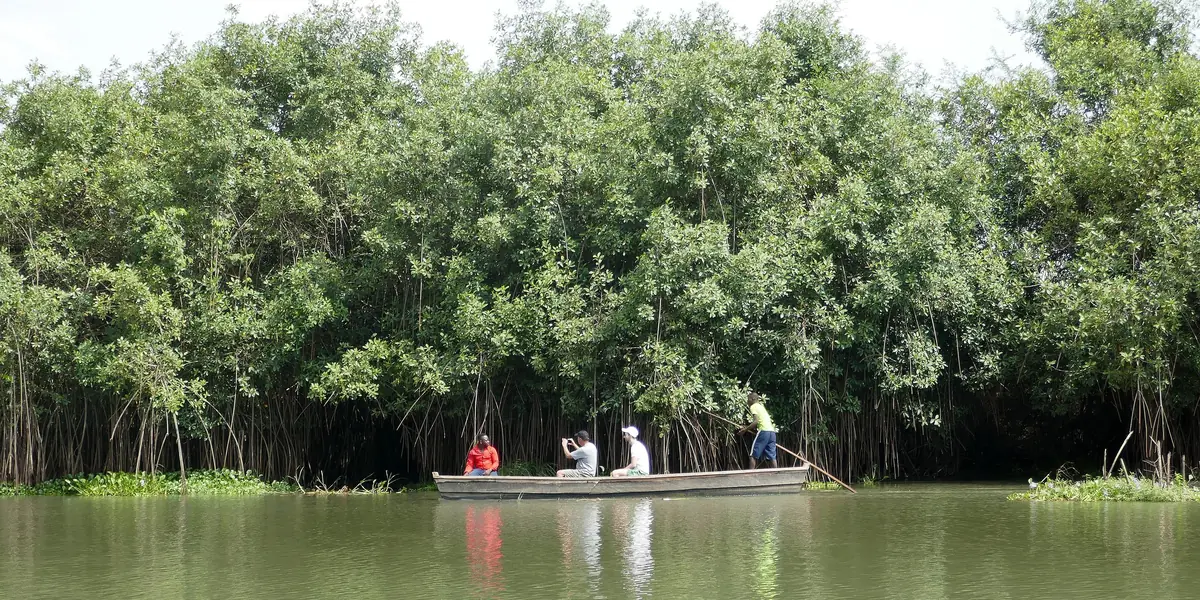
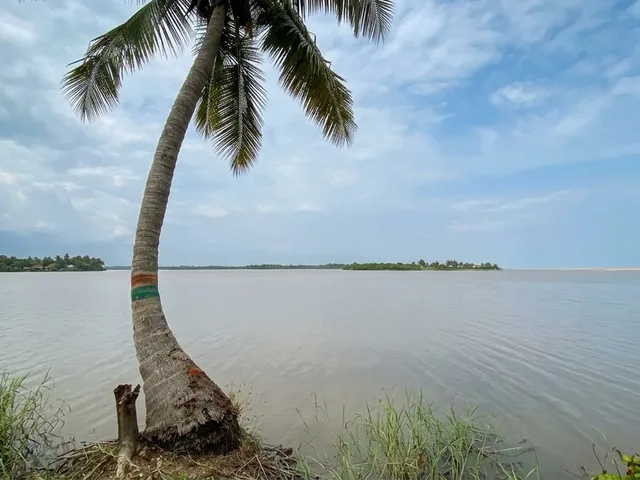
    Around the Bouche du Roy, mangroves and lagoons are home to fish, crabs and birds. Local communities explain how they protect it.

  4. The transmission

    This knowledge is passed down orally, from one generation to the next. The events are also a place where young people come to learn from it.

Two days

The programme for the two days

Round-table discussions, demonstrations and a market: the organisers will announce the timetable as the event approaches.

  1. Day 1, morning Grand-Popo Beach

    Official opening

    Opening ceremony led by traditional leaders, official speeches, signing of commitments.

  2. Day 1, afternoon Main hall

    Round-table discussions

    Thematic panels: medicinal plants and patentability, sacred forests, climate adaptation.

  3. Day 1, evening Beach

    Cultural evening

    Welcome songs, stories told in local languages with translations, and a banquet featuring local specialities.

  4. Day 2, morning Workshop area

    Demonstrations

    Herbalists identifying plants, preparing herbal teas and ointments on the spot.

  5. Day 2, afternoon Main market

    Herb Market

    Sale of dried plants, bark and essential oils. Free consultations with traditional practitioners.

Grand-Popo

Between the beach, the theatres and the mangroves

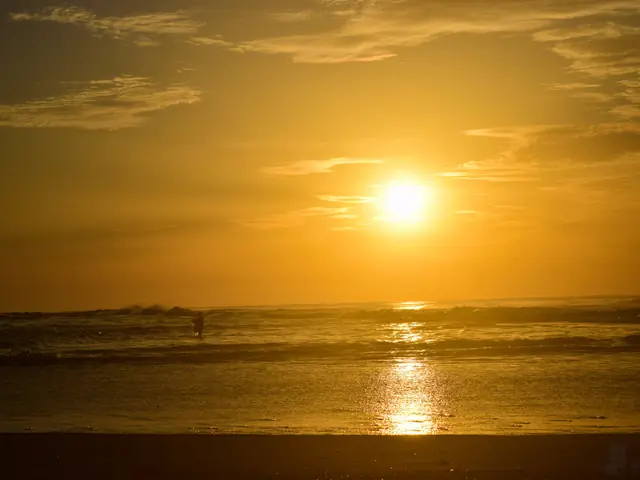
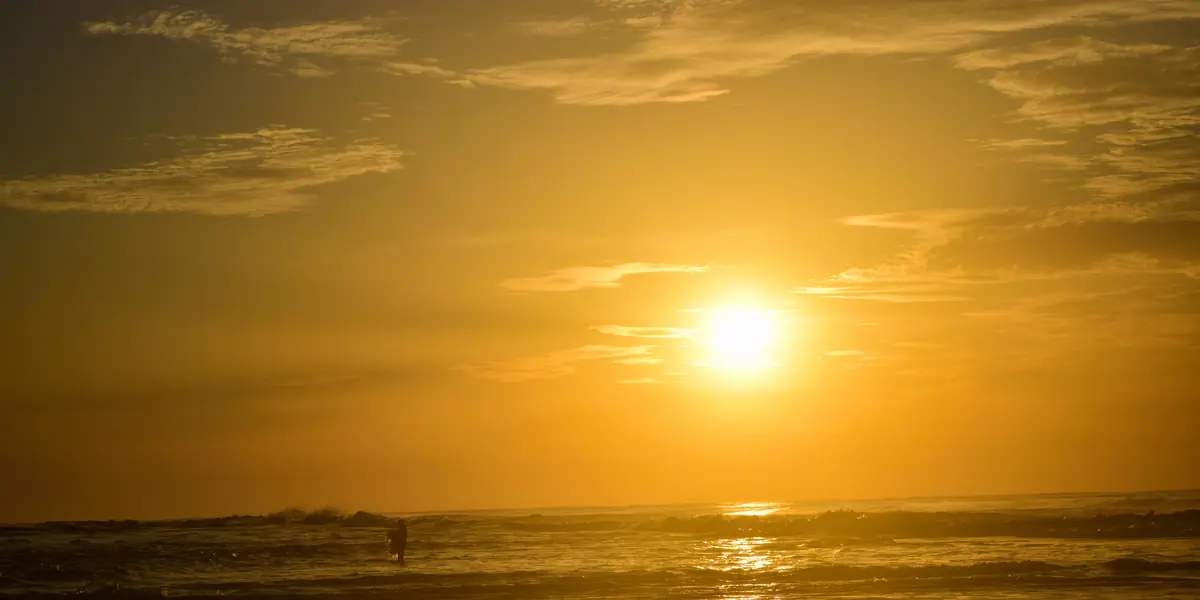
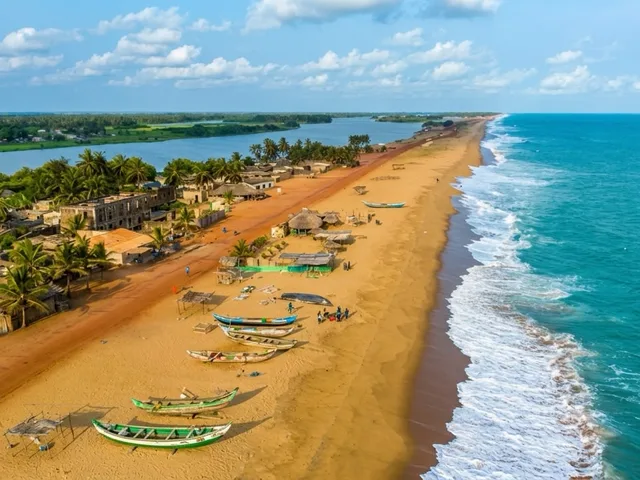
The meetings are held in Grand-Popo, between the ocean and the mouth of the Mono River.

Plage de Grand-Popo

Grand-Popo Beach

Opening and closing ceremonies by the sea.

Salle centrale

Main hall

Panels and round-table discussions: limited capacity to ensure the quality of the discussions.

Marché des simples

Herb Market

An open-air market with stalls selling plants, bark and essential oils.

Bouche du Roy

Bouche du Roy

A nearby natural site, often visited on the sidelines of the event.

Not to be missed

Five key points to help you understand

From the first day’s panel discussions to the farmers’ market, each segment offers a different perspective on traditional knowledge.

01
Wave 1 · Day 1, morning

Official opening

Opening ceremony led by traditional leaders, speeches by the delegations, signing of commitments.

02
Wave 2 · Day 1, afternoon

Thematic panels

Medicinal plants, sacred forests, climate adaptation, the patentability of traditional knowledge.

03
Wave 3 · Day 1, evening

Cultural evening

Welcome songs, stories told in local languages with translations, and a banquet featuring local specialities.

04
Wave 4 · Day 2, morning

Demonstrations & workshops

Live plant identification, preparation of herbal teas and ointments, and walk-in consultations.

05
Wave 5 · Day 2, afternoon

Herb Market

Sale of plants, bark and essential oils. Consultations with traditional practitioners from across the country.

By the sea

Grand-Popo: two days that give the elders a voice once more

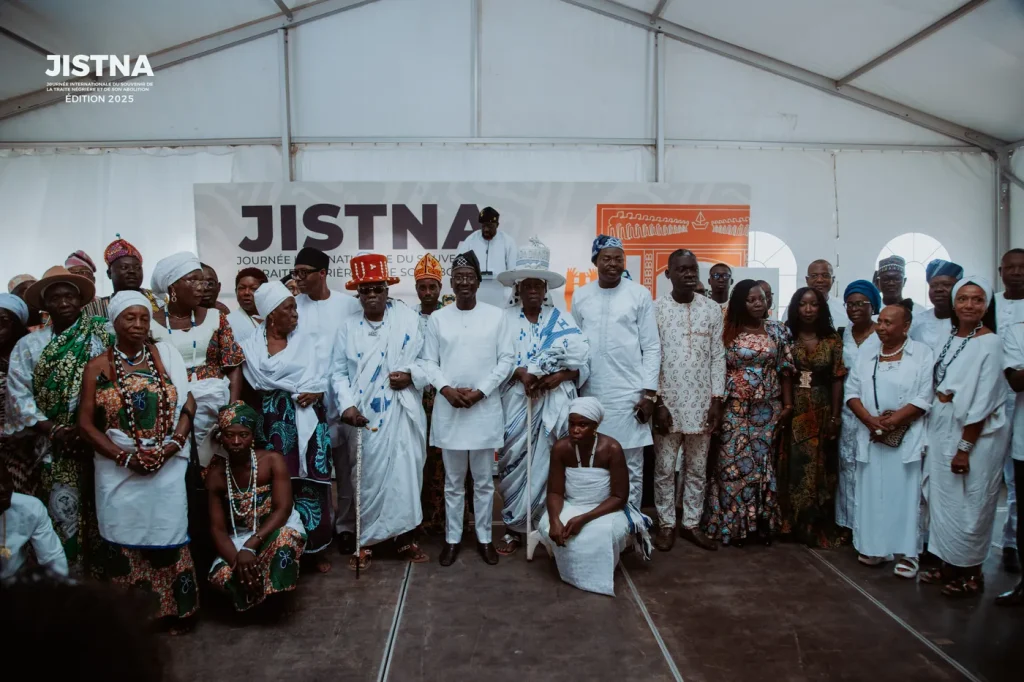
JISTNA is changing the rhythm of Grand-Popo. The beach is filling up with tents, where traditional healers from all over the country mingle with academic researchers, ministers, journalists and curious travellers. People listen as much as they speak — the event is structured as a dialogue between traditions and institutions, with a herbal market that is constantly bustling.

  • Official opening ceremony on the beach, with speeches in both languages
  • Thematic round-table discussions open to the public (registration required)
  • Herb market featuring herbalists from across the country
  • Closing cultural evening, with songs and storytelling in local languages

Preparing properly for their visit

Tips for both days

Badges, cash, swimming: a few pointers to help you enjoy the events without a hitch.

Programme

Sign up for the panels — places are limited to ensure the quality of the discussions.

Market

Buy in small quantities — some plants are best eaten fresh, whilst others need to be dried at home.

Cash

Card payments are not accepted at the fresh produce market. Please bring cash in small denominations.

Health

A consultation with a traditional practitioner is no substitute for your doctor. Stick to common remedies (for colds, indigestion).

Swimming

Grand-Popo beach is beautiful, but the currents can be strong. Please swim only in supervised areas.

Giving a voice to the custodians of knowledge

International conferences on biodiversity bring together scientists and decision-makers, but often leave out those who live in close contact with nature on a daily basis: herbalists, traditional healers and traditional land managers. Yet it is amongst them that much of the pharmacological and ecological knowledge is preserved – knowledge that modern science is gradually rediscovering.

JISTNA was born out of a desire to put these guardians back at the heart of the conversation. By choosing Grand-Popo, an iconic natural site on the Benin coastline, the event creates a setting conducive to dialogue — between languages, between disciplines, and between generations.

2 programme days
15+ African countries represented
200+ medicinal plants on display
90 km from Cotonou

Discover the Mono

Around Grand-Popo

Grand-Popo is a good base from which to explore the estuary, the lakeside villages and the coastal road.

La Bouche du Roy

The mouth of the Mono River is 20 minutes away. A Ramsar site; canoe trips must be booked in advance.

The village of Agonvé

Salt production, traditional techniques. Meeting the women of the village.

Villa Karo

Finnish-Beninese artists’ residency, temporary exhibitions, library open to the public.

Coastal road to Ouidah

50 minutes’ drive to the east: the Slave Route and the Gate of No Return – best visited on the same day.

In Grand-Popo

On location in Grand-Popo

Eating

Hotel restaurants right on the beach — Beninese and international cuisine. Fish of the day.

Safety

A quiet area. Be aware of sea currents: swim only in supervised areas.

Accessibility

Central hall: solid-floored and suitable for activities. The beach and sand are less accessible — equipment available on request.

Payment

Cash is essential for the street market. Hotels accept cards.

Before you come

Your questions about JISTNA

Do you need a badge for everything?

Accreditation is required for the panel discussions and the banquet. The herbal market and the cultural evening are open to the public.

Can we see a traditional healer?

Yes, free consultations are available at the herbal market. A donation is bienvenue, even if no price is displayed.

Can you bring plants into Europe?

Some species are subject to regulations. Check with your country’s customs authorities before purchasing. Essential oils generally pass through customs without any problems.

What is the working language?

Mainly French, with English translation for international guests. Local languages are used, with interpretation provided, during the rituals.

Can we come as a family?

Yes, the cultural evening and the market are family-friendly. The panel discussions are aimed at an adult audience.

Same spirit

Other events celebrating traditions

These events are part of the same season or theme. They are best experienced as part of the same trip.

Plan your stay

Experience JISTNA with Dahomey Discovery

Every year, our team organises bespoke tours during the event — including airport pick-up, accommodation, transport, a French-speaking guide and access to the programme’s key events.