Festival International des Masques

Masks from the Gulf of Guinea, all in one place

International Mask Festival

Two days in Porto-Novo bringing together the great masked traditions of Benin and the sub-region: gèlèdè, zangbéto, egungun, kokou, and their Togolese and Nigerian equivalents.

Where Porto-Novo, Benin
When 7–8 August 2027

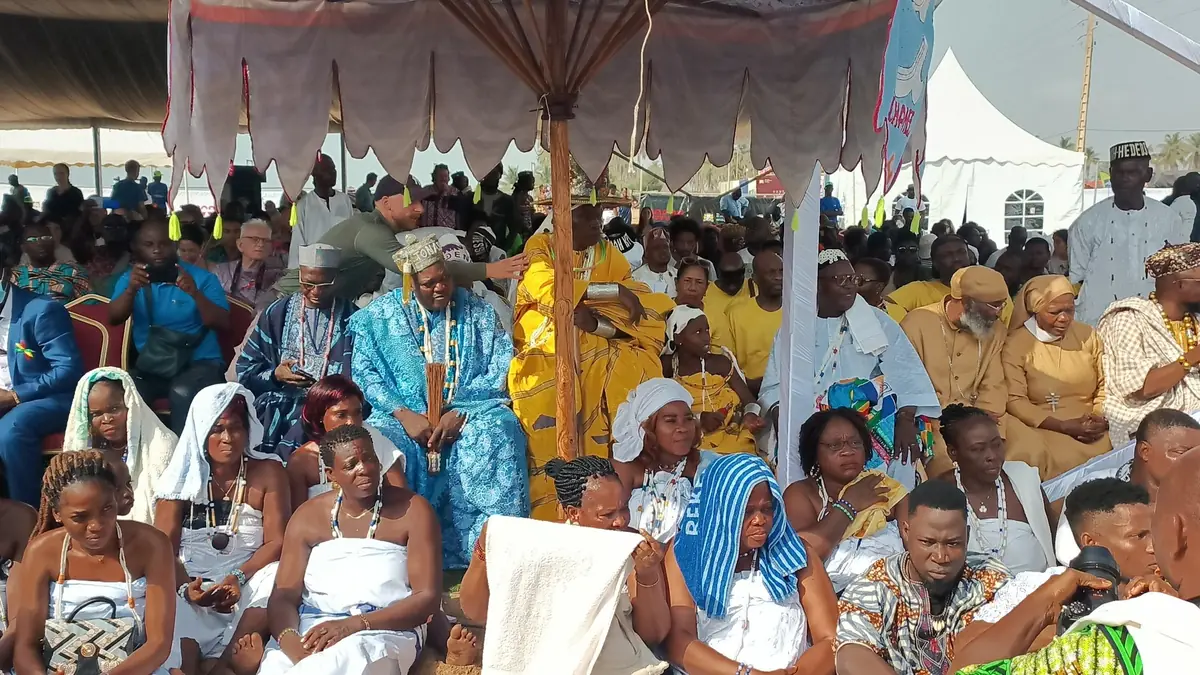
The Festival of Masks brings together secret societies that would not normally cross paths, all on the same stage. It is a rare opportunity to see the region’s great masked figures parading side by side, with their percussion, their songs and their centuries-old traditions.

How to recognise them

Four families of masks

Every mask has its own role, its own time to appear and its own rules. Recognising them means understanding what is unfolding before you.

Gèlèdè
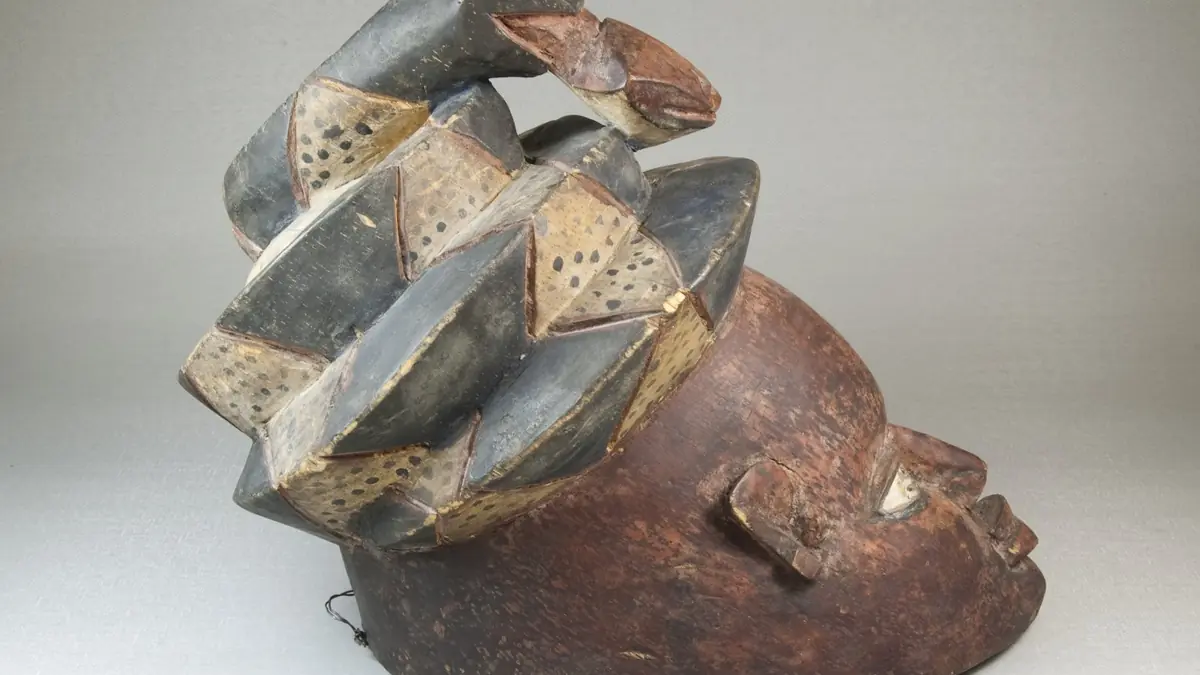
Carved and painted wooden masks, worn during dances held during the day to honour mothers and feminine power. Their oral tradition is recognised by UNESCO as intangible cultural heritage.
Egungun
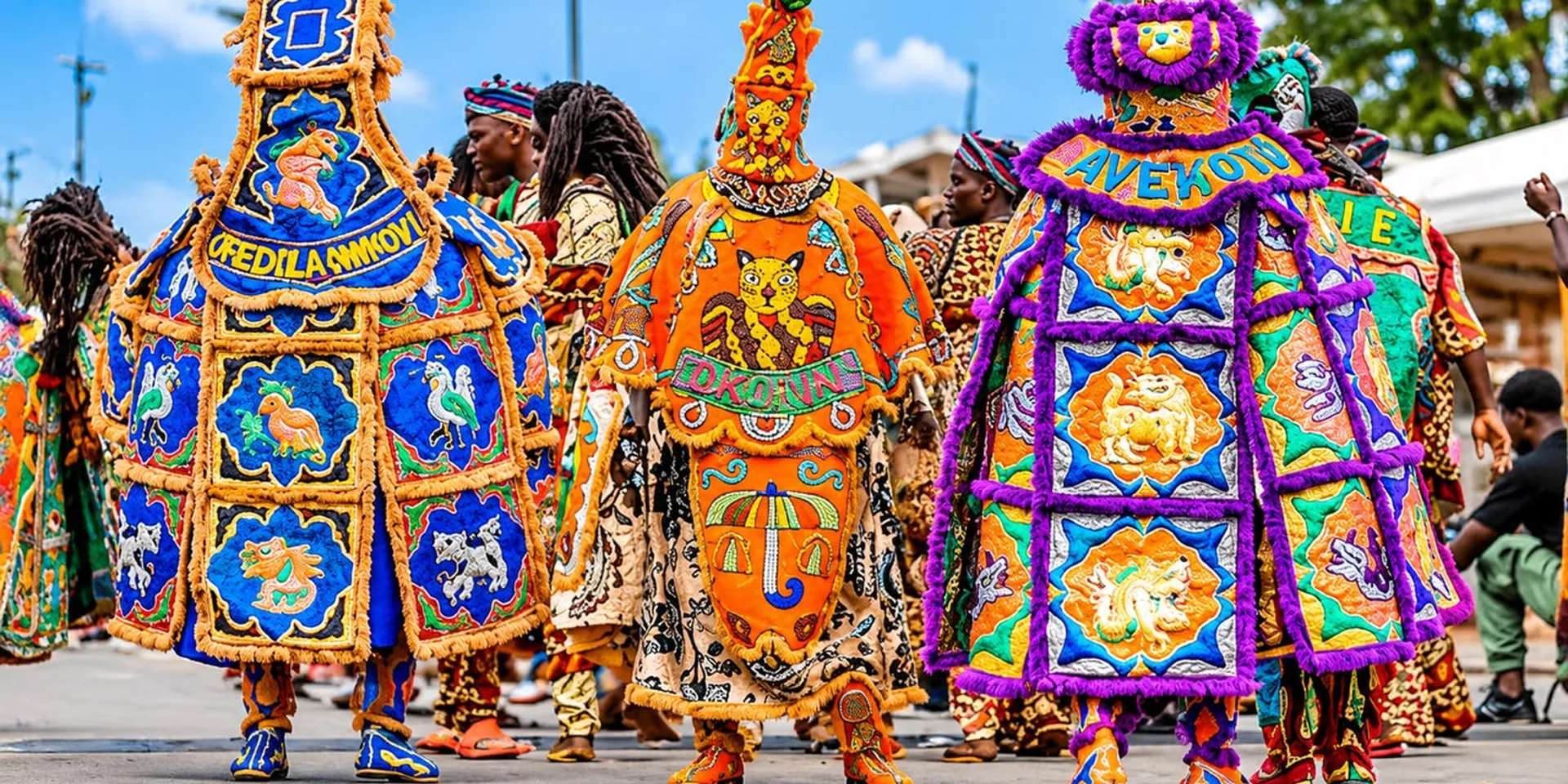
The revenants: figures clad in layers of fabric, with no visible faces, who embody the ancestors who have returned to the world of the living. They must not be touched.
Zangbéto
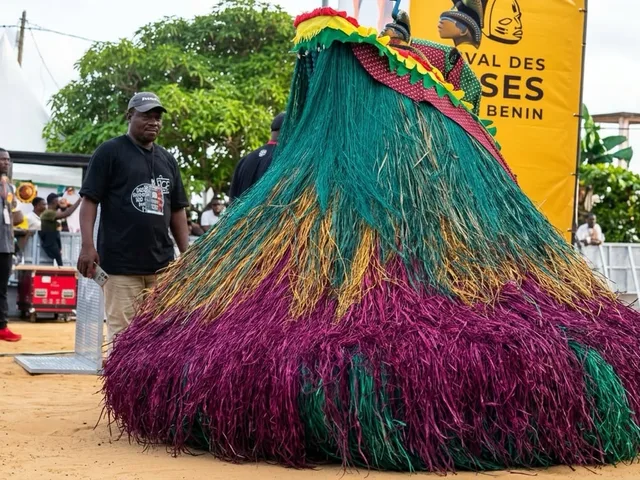
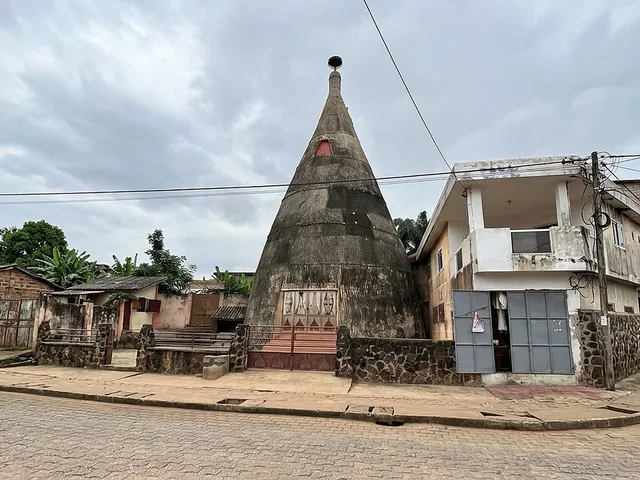
The guardians of the night: tall cones of raffia that spin round and round. They watch over the neighbourhood and come out mainly after sunset.
Kaléta
Cheerful, colourful masks, worn by young people, passed down from families who have returned from Brazil. They bring the streets to life at the end of the year and at New Year.

First and foremost

Rules regarding face masks

A mask is not a costume: it embodies a power. These rules must be followed without exception, even for a photograph.

Prohibited

Never touch a mask whilst it is in use. Always maintain a safe distance.

Photo

Photography is not permitted on certain excursions (such as the night-time zangbéto). Always check with the guide.

Silence

The songs that accompany the masks are sacred. One must not speak or call out.

Attire

Simple. White is a popular choice for women. Closed-toe shoes.

Guide

A local guide who understands the language of these societies is essential for making sense of what you see.

01

Masks that embody forces

The masks of Benin are not costumes: they are codified presences, brought to life by specific chants and drumbeats, reserved for secret societies that have safeguarded them for centuries. Bringing several of them together in one place requires diplomatic preparation — each edition negotiates their presentation with the custodians of each tradition.
02

A weekend of outings

Opening parade featuring the Gèlèdè masks (listed by UNESCO), a night-time procession of the Zangbéto, who only appear by the light of storm lanterns, educational presentations by specialist academics, a craft market (miniature masks, fabrics, sculptures), and community banquets.

03

Getting to Porto-Novo

Porto-Novo is the political capital of Benin, 30 km from Cotonou. The journey takes between 45 minutes and 1 hour, depending on traffic. The city has several guest houses and boutique hotels in the historic centre. The mask dances take place in several neighbourhoods across the city: a local guide is essential to ensure you don’t miss anything and to follow the local customs.

At the weekend

From Friday evening to Sunday

The festival takes place over a long weekend. The exact timetable is confirmed by the organisers a few weeks beforehand.

  1. Friday evening Royal Square

    Opening night

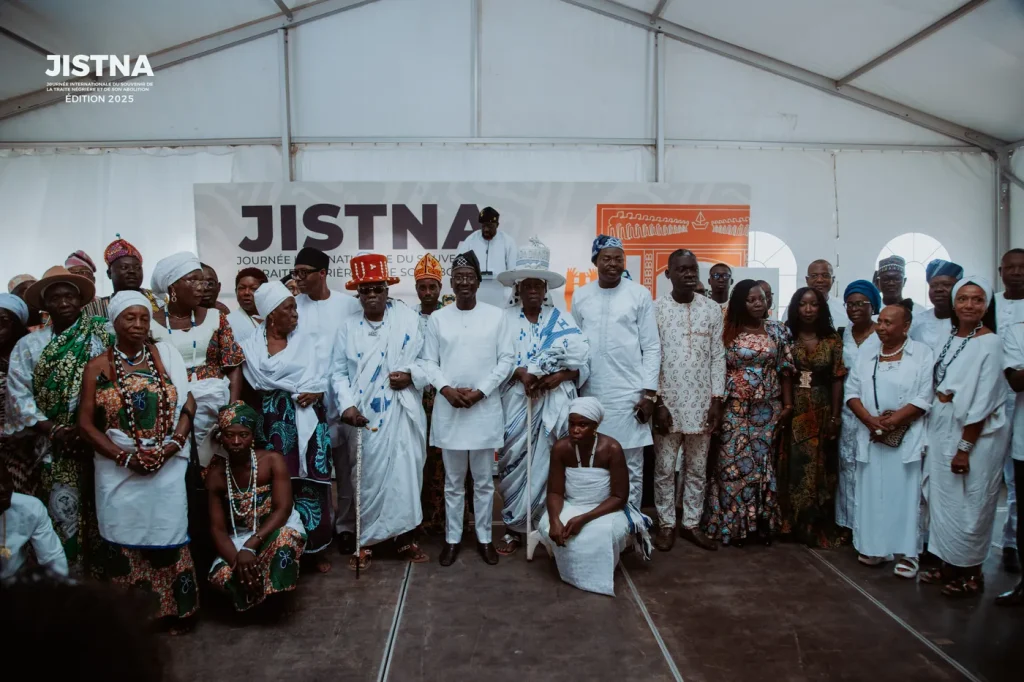
    Greetings to the traditional leaders, speeches, and the introduction of the Beninese and foreign delegations.

  2. Saturday morning Historic Centre

    Gèlèdè parade

    The Gèlèdè masks are unveiled (UNESCO Intangible Cultural Heritage). A grand parade featuring percussion and singing.

  3. Saturday afternoon City museums

    Cultural forums

    Round-table discussions with ethnologists and custodians of tradition. Open to the public upon registration.

  4. Saturday evening Nightlife districts

    Zangbéto exit

    The night-time appearance of the Zangbéto masks — a rare occasion that calls for silence and keeping a safe distance.

  5. Sunday Royal concessions

    Closing ceremony & banquet

    Performances by all the masked troupes present, a community banquet, and the presentation of trophies to the guest troupes.

Porto-Novo

Where the masks come from

From the Place Royale to the family-run stalls, the capital becomes an open-air stage.

Place royale

Royal Square

Opening ceremony, where the delegations are welcomed by traditional leaders.

Centre historique

Historic Centre

Afro-Brazilian streets and houses where the grand Gèlèdè parades take place.

Musée Honmé

Honmé Museum

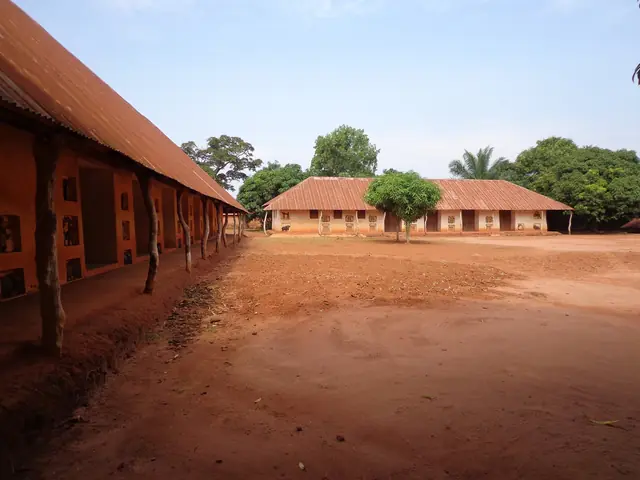
Former palace of King Toffa. Forums and academic presentations.

Concessions traditionnelles

Traditional concessions

Private lessons are available for banquets and closing demonstrations.

Drums and parades

Porto-Novo becomes a theatre of masks

The political capital is transformed for the duration of the festival. The gèlèdè parade through the streets of the city centre in broad daylight, whilst the zangbéto take to the streets by storm lamp after dark. Each neighbourhood hosts its own troupe; each troupe brings its drums, its songs and its own traditions. This isn’t a spectacle to be watched from a distance — it’s an experience to be lived at eye level.

  • A Gèlèdè parade in broad daylight through the streets of the historic centre
  • Zangbéto performances take place exclusively at night, by the light of storm lanterns
  • Each neighbourhood hosts a different masked troupe
  • Local guides are essential for understanding the unwritten rules and staying safe

Not to be missed

Five events that make the festival

Each family of masks has its own time: the gèlèdè in broad daylight, the zangbéto at nightfall.

01
Wave 1 · Friday evening

Opening night

Welcoming the delegations, speeches, and an introduction to the organisations that have made the journey.

02
Wave 2 · Saturday morning

Gèlèdè parade

A grand parade of masks listed as part of UNESCO’s Intangible Cultural Heritage. Percussion, singing, effigies.

03
Wave 3 · Saturday afternoon

Cultural forums

Round-table discussions with ethnologists and custodians of tradition. Open to the public upon registration.

04
Wave 4 · Saturday evening

Zangbéto exit

A rare nocturnal sighting. Complete silence required. No photography permitted.

05
Wave 5 · Sunday

Closing ceremony & banquet

Performances by all the societies, a community banquet, and a prize-giving ceremony for the guest troupes.

Porto-Novo: the capital of masks

Every masked society in the Gulf of Guinea has its own locations, seasons and customs. Some perform once a year in a specific village, whilst others do so to mark a birth or a death. For a long time, the only way to see them all together was through documentaries or museum collections.

The Festival of Masks has filled this gap. Porto-Novo, the political capital and an Afro-Brazilian city, provided the natural setting: scholarly societies, living chiefdoms, and the hospitality of the royal estates. The festival has established itself as the only time of year when one can see several of the sub-region’s major masked traditions parading side by side.

2 intensive days
4+ hidden companies
2008 UNESCO listing of the Gèlèdè
30 mins from Cotonou

In the capital

On location in Porto-Novo

Eating

Small Creole restaurants around the Place Royale — Afro-Brazilian cuisine, fresh fish.

Safety

It’s a quiet town, but keep your distance from the masked figures in action — never stand in front of them, never get in their way.

Accessibility

A historic, solid-built centre that is accessible. Traditional stalls with thresholds — assistance recommended.

Payment

Cash is the preferred payment method at the market and in the stalls. BOA and Ecobank ATMs are located along the main road.

Porto-Novo: on foot

Porto-Novo: beyond the festival

An Afro-Brazilian mosque, museums, the botanical gardens: the capital can be explored in just one more day.

Honmé Museum

Former palace of King Toffa, now the Porto-Novo History Museum. One-hour guided tour.

Grand Mosque

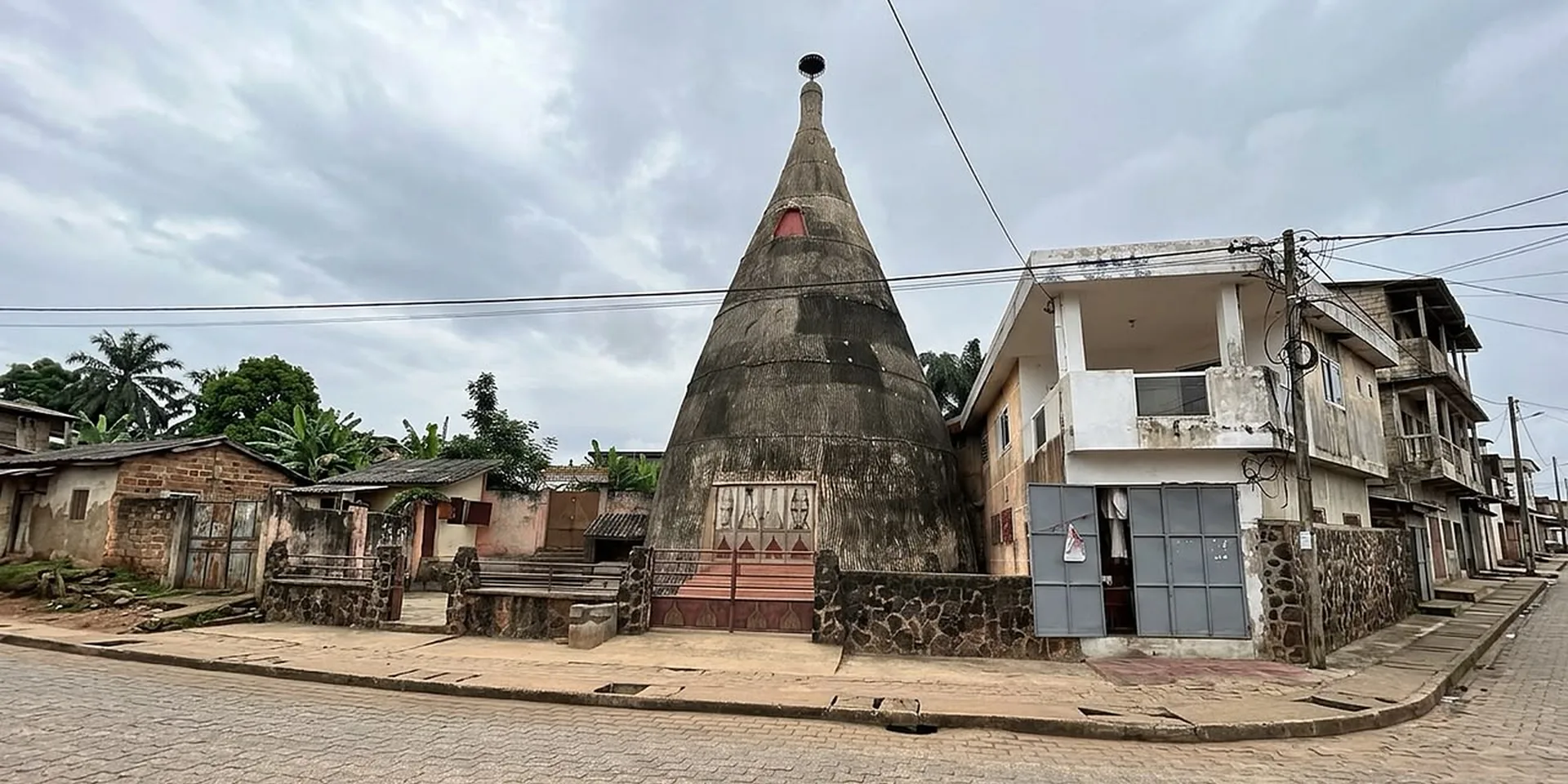
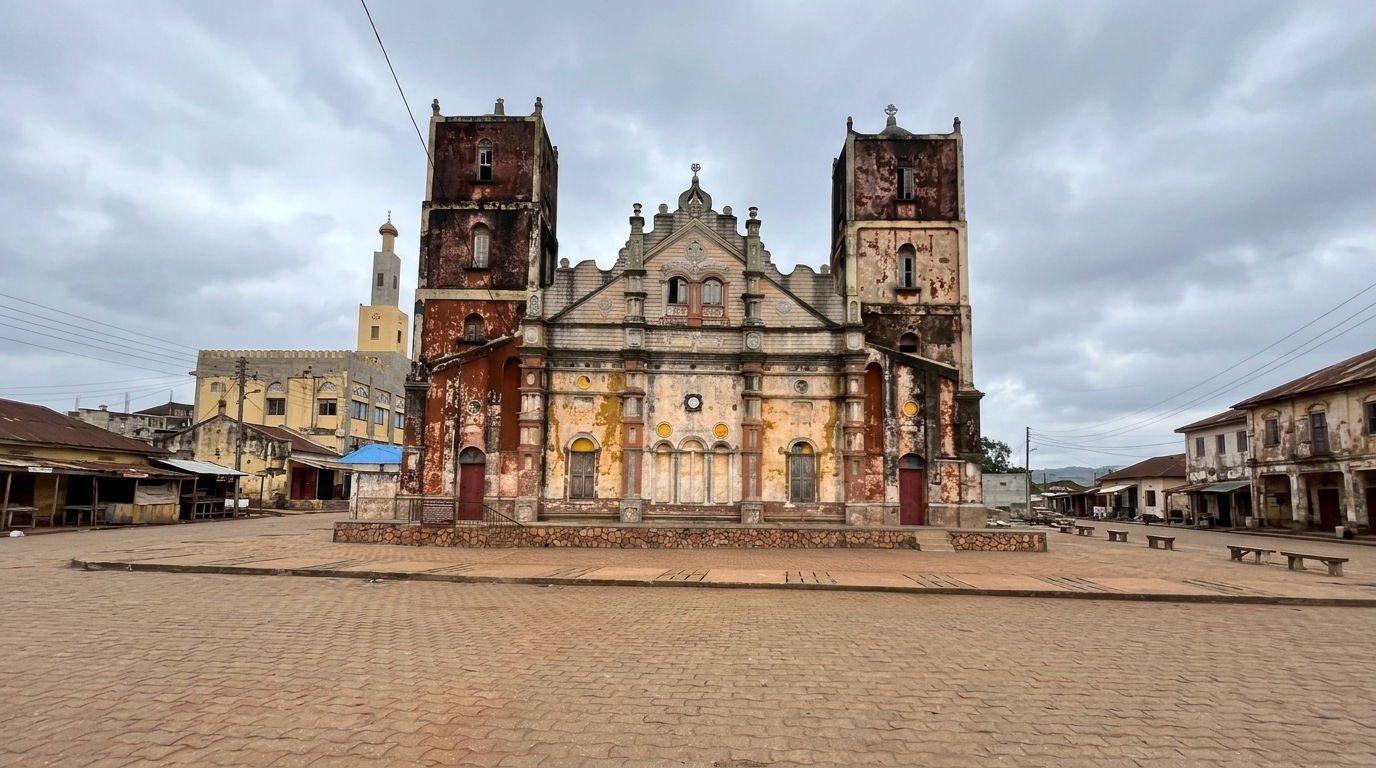
A former Afro-Brazilian church that has been converted — one of the city’s most photogenic landmarks.

Botanical Gardens

A lovely green spot in the city centre — shaded, peaceful and open on weekdays.

Adjara Market

15 minutes from the town: fabrics, woven goods and pottery. The perfect place to pick up some authentic souvenirs.

Before the festival

Your questions about face masks

Can I get up close to a mask?

No. Always keep a distance of 3–4 metres. The percussionists around you mark out an area that you must never cross.

Is photography permitted?

Gèlèdè during the day: yes. Zangbéto at night: strictly prohibited. Always check with your guide.

Do you need to speak a local language?

No — the festival is in French. A local guide helps to explain the songs and gestures, but you can still soak up the atmosphere without one.

Can people attend the forums?

Yes, subject to prior registration. Places are limited; priority is given to university students, but members of the public with an interest in the subject are also welcome.

Is there a ticket office?

Events held in public spaces are free of charge. Registration is required for the academic forums and the banquet.

Masks and traditions

Other traditional events

These events are part of the same season or theme. They are best experienced as part of the same trip.

Plan your stay

Experience the International Mask Festival with Dahomey Discovery

Every year, our team organises bespoke tours during the event — including airport pick-up, accommodation, transport, a French-speaking guide and access to the programme’s key events.