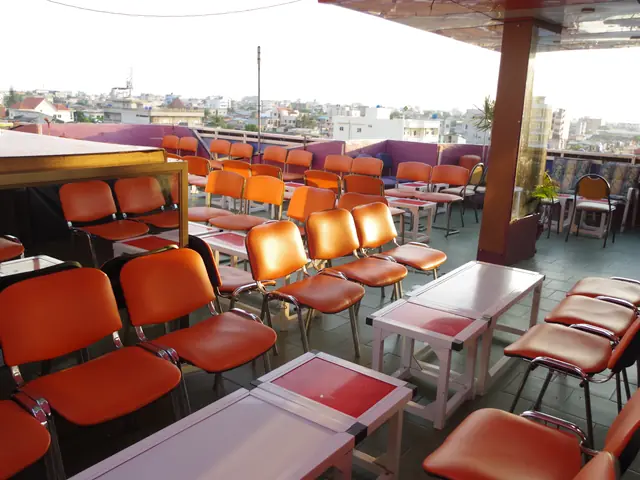
The local street-side eatery, the street-side stall, and the air-conditioned restaurant in Cotonou: three ways to eat Beninese food, and three price ranges. The cuisine is the same.
Beninese table
|
The riches of the coastline
Restaurants and maquis
The Maquis: a national institution
A ‘maquis’ is a thatched hut or a furnished courtyard where grilled meats, braised fish, pasta and sauces are served, usually in the evening and often late into the night. It is the ultimate social spot, rather than just a restaurant.
You order at the counter, pay at the end, and service takes as long as it takes. It’s also the best cuisine in the country, far ahead of the international menus served in hotels.
What we eat
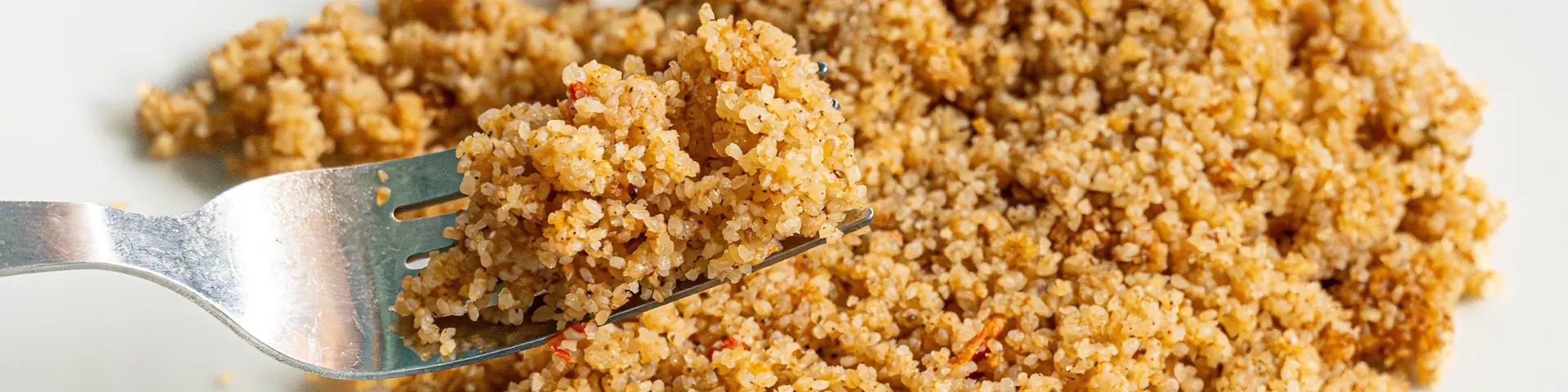
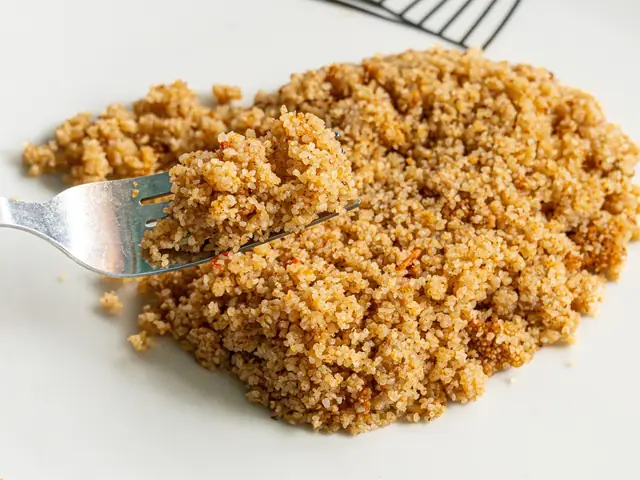
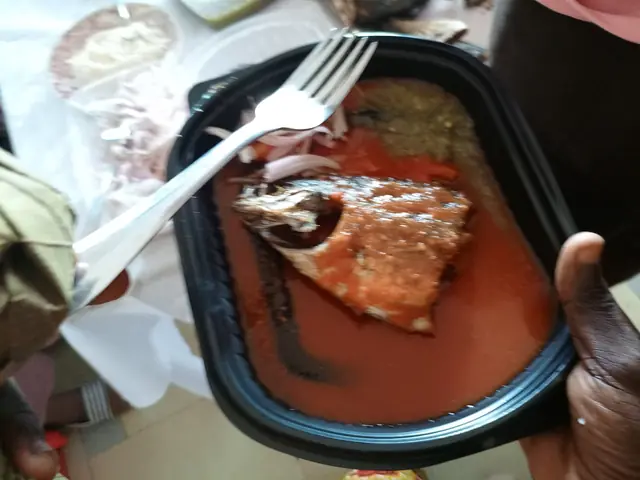
Red maize porridge and its sauce, amiwo, akassa, atassi made from rice and beans, wagassi, that Fulani cheese that’s grilled, aloko made from plantains, braised fish from the coast, and moyo made from tomatoes and chillies. The chilli is served on the side: you help yourself.
Street food is excellent and can be enjoyed without worry, provided you choose dishes that are served hot and cooked in front of you. Avoid raw vegetables washed in tap water and ice cubes of unknown origin.
Where and when?
Cotonou offers the widest variety, ranging from neighbourhood eateries to restaurants with tablecloths. In Ouidah, Grand-Popo and Porto-Novo, dining options are often linked to accommodation. In the north, the choice is more limited and tends to overlap with that of hotels.
At lunchtime, we eat early. In the evening, the maquis come to life after 8 pm. Many are closed on Mondays.
Beninese table
|
Beninese cuisine
|
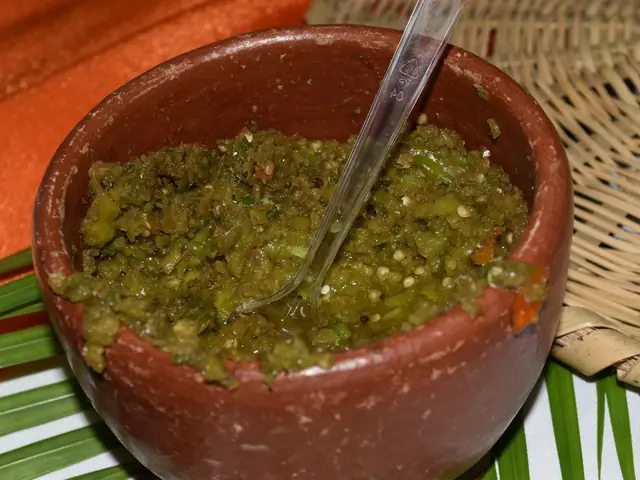
Chilli, the key ingredient in Beninese sauces
|
In practice
- OùPartout; the widest selection in Cotonou
- Allow an hour and a half at the maquis – the service is never quick
- Good to know: The chilli is served on the side – add as much as you like
- Things to avoid: Raw vegetables washed in tap water, ice cubes of unknown origin, unpasteurised milk
- Payment: Cash in the vast majority of cases