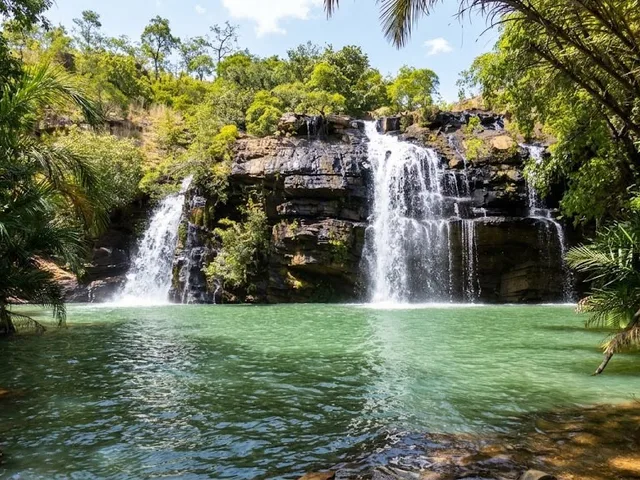
Les chutes de Tanougou
©

Tanougou Falls

|

Ji-Elle / CC BY-SA 4.0 — Wikimedia Commons

The riches of the coastline

The Tanougou Waterfalls, in Atacora

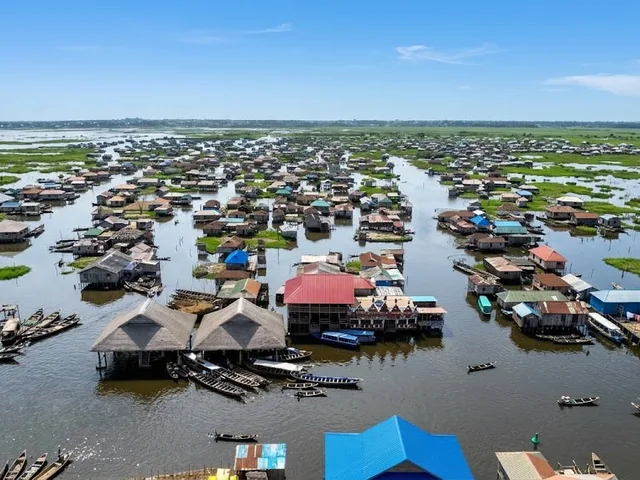
Benin stretches from the Gulf of Guinea to the Atacora Hills. From the royal palaces of Abomey to the lakeside town of Ganvié and the World Heritage-listed parks in the north, the country boasts a diversity rarely found in West Africa within its compact territory.

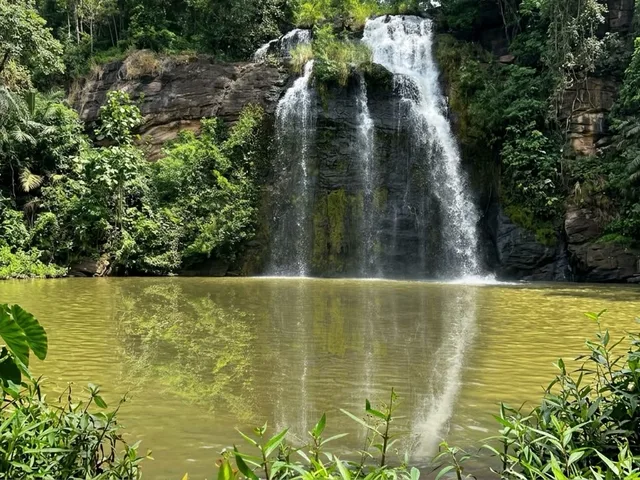
To the east of Tanguiéta, a torrent cascades down the quartzite cliffs of the Atacora, forming a series of waterfalls and pools. People do swim there, but the area is subject first and foremost to local rules.

Water on quartzite

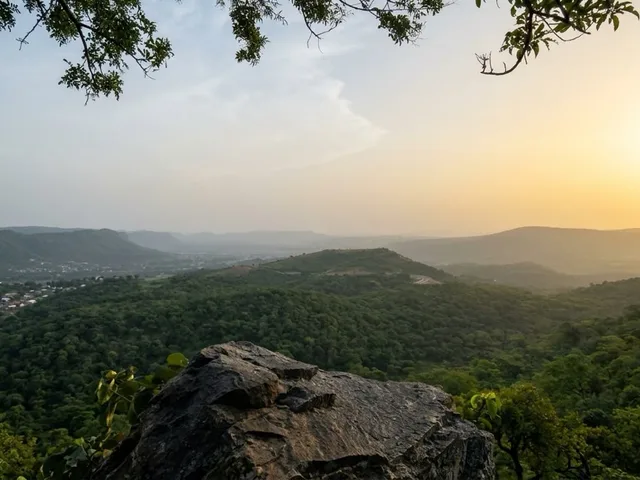
The site is situated in the village of Tanougou, in the commune of Tanguiéta, Atacora Department. The river flows down the slopes of the Atacora mountain range, a mountain range stretching along a south-west to north-east axis which continues into Togo and as far as Ghana. The rocks here consist of quartzites, mica schists and quartz-muscovite schists. These formations are the result of the Pan-African orogeny, the continental collision that formed the Dahomeyides mountain range around 600 million years ago.

In practical terms, this results in a hard, smooth rock that can be cut into slabs and terraces. The water does not carve out a canyon: it leaps from one level to the next. Hence the succession of pools that one walks up through.

As regards the height, the figures vary. The sources consulted put the height of the lower waterfall at around 20 metres and that of the waterfall further upstream at around 25 metres. No measurements from a scientific or official body could be found. Please treat these figures as rough estimates, not as precise data.

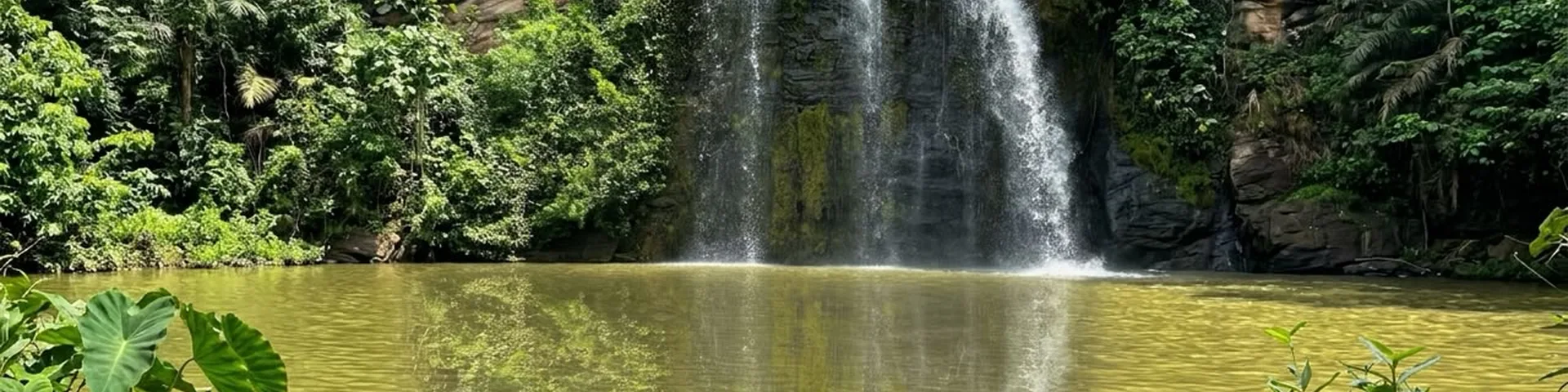
The ponds, and what we respect there

The lower pool is just a few minutes’ walk away. To reach the upper pools, you need to climb over wet, often slippery rocks; guides from the village accompany visitors along this section.

The site is regarded as sacred by communities in the area — the Atacora region is home to the Berba, Waaba and Gourmantché peoples. Local accounts link the waterfall to spirits that protect the land, and the site is used for ceremonies. Access is governed by a set of restrictions: these may relate to specific days, certain areas, what may be brought onto the site, or permitted behaviour.

These rules are not just for the sake of atmosphere. Ask the guide or site warden about them before entering the water, and follow them. Do not photograph a ritual in progress without explicit permission.

When to go, and at what time

Tanougou lies to the east of Tanguiéta, on the road leading to Pendjari; the village is said to be about 81 km from Natitingou and around ten kilometres from the park entrance. This proximity explains why it is so popular: the waterfall has long been a feature of Pendjari tours.

Key point: France Diplomatie’s travel advice strongly advises against travelling to the northern border areas, including the Pendjari and W National Parks. Tanougou is located within this area. Check the situation before making any plans and follow the instructions issued by the Beninese authorities.

The flow rate depends on the rainy season, which roughly runs from June to October in the north. The water is at its most abundant towards the end of the wet season; towards the end of the dry season, it can be reduced to a trickle.

Les chutes de Tanougou
©

Tanougou Falls

|

Ji-Elle / CC BY-SA 4.0 — Wikimedia Commons

Les paysages de l’Atacora
©

The landscapes of Atacora

|

Wikimedia Commons

Les chutes de Kota
©

The Kota Falls

|

CC0 — Wikimedia Commons

In practice

  • The village of Tanougou, in the commune of Tanguiéta, Atacora department
  • Get there from Natitingou via Tanguiéta, then take the road to Pendjari
  • Allow half a day at the venue
  • Best time to visit: September to November, when the river is at its fullest and the rains have ended
  • Good to know: ask about the restrictions in force before entering the water; they vary depending on the day and the pool.
  • Safety: area subject to travel advisories; please consult France Diplomatie before departure