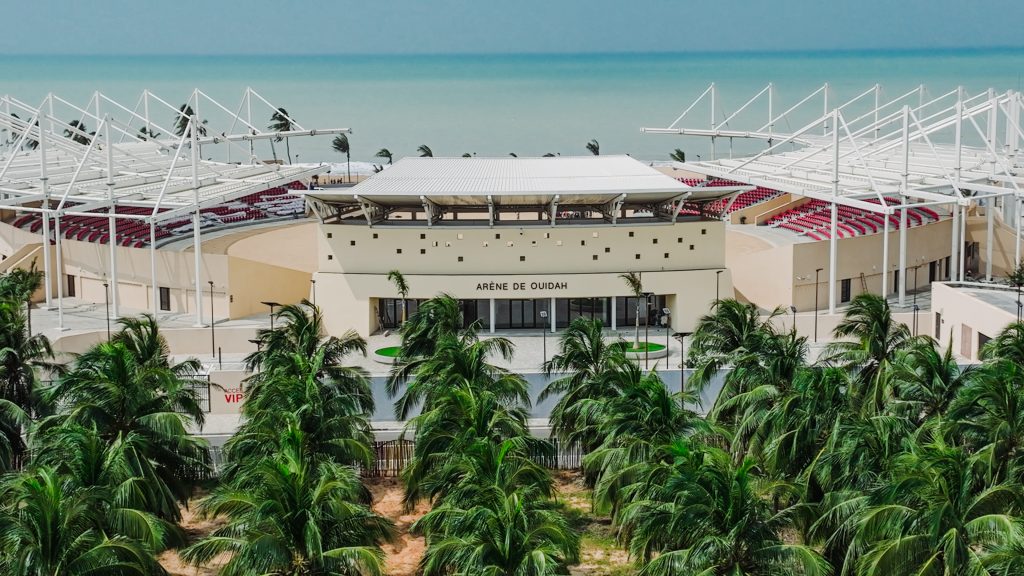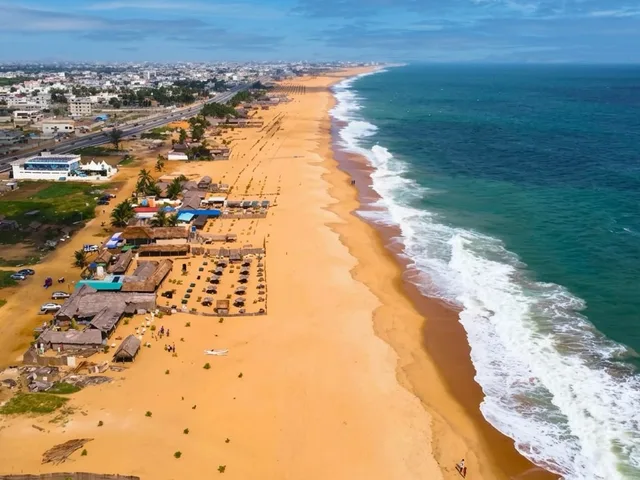
Fidjrossè
The festival’s main beach, just a few minutes from Cotonou city centre.
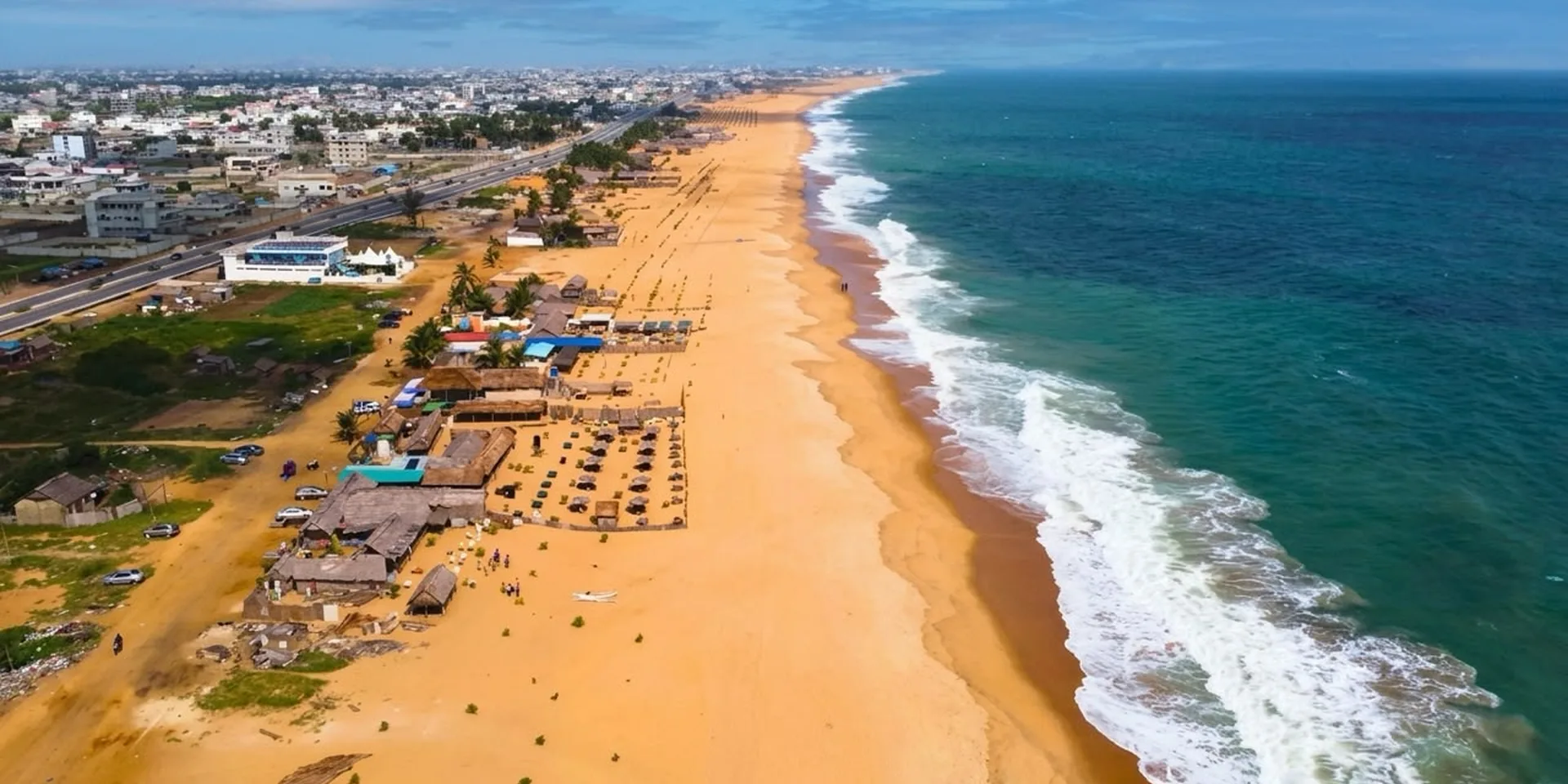
Between Christmas and New Year, Cotonou comes alive to the beat of Weloveya. Two stages, a line-up that blends Afrobeat, coupé-décalé, hip-hop and reimagined traditional music. The audience is young, festive and cosmopolitan — a microcosm of Benin’s new generation.
Feet in the sand
Weloveya takes over the sands of Fidjrossè with two stages that complement each other, a food court where Cotonou’s high society rubs shoulders, a lantern-lit chill-out area and a crowd of regulars. Headliners from across the continent take to the stage one after another alongside the new Beninese scene, with the diaspora returning home for the occasion, and the atmosphere doesn’t die down until the early hours of the morning.
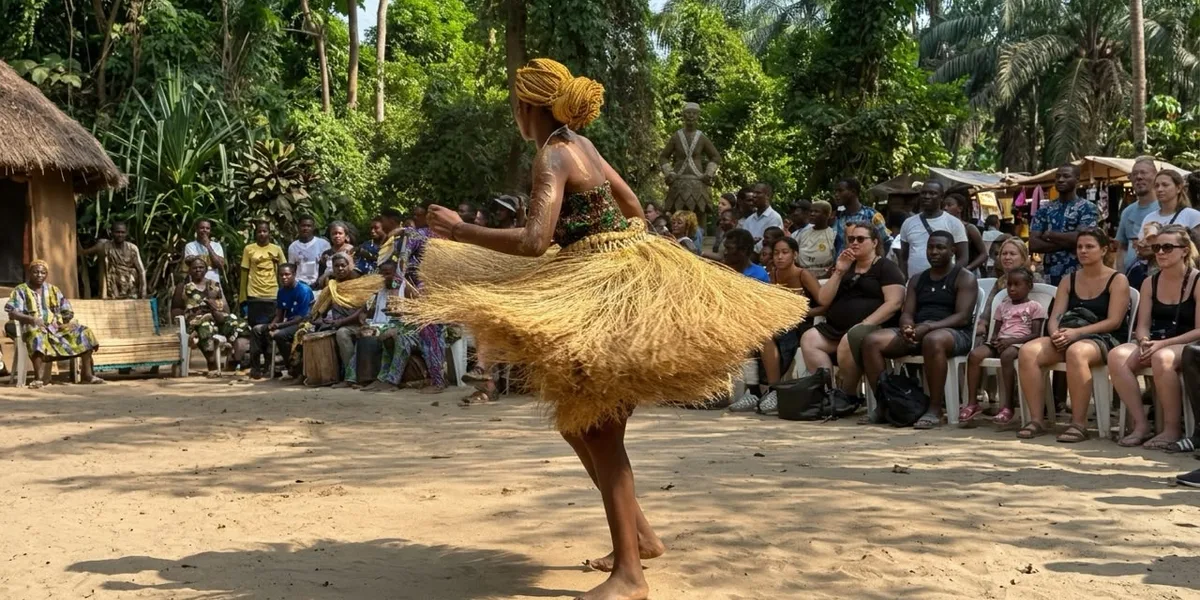
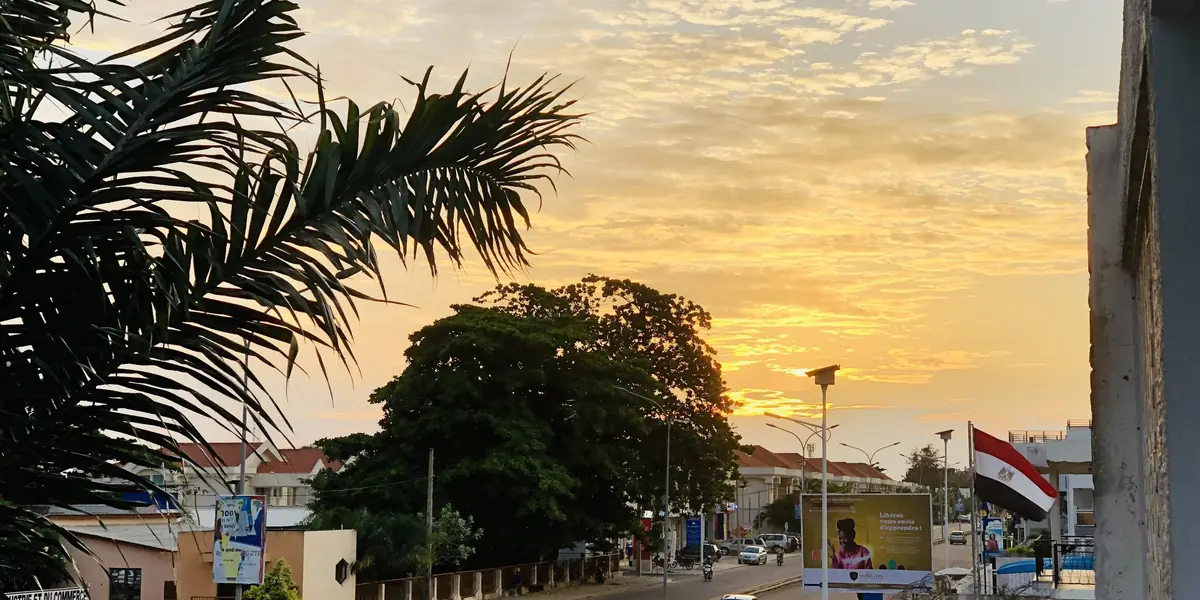
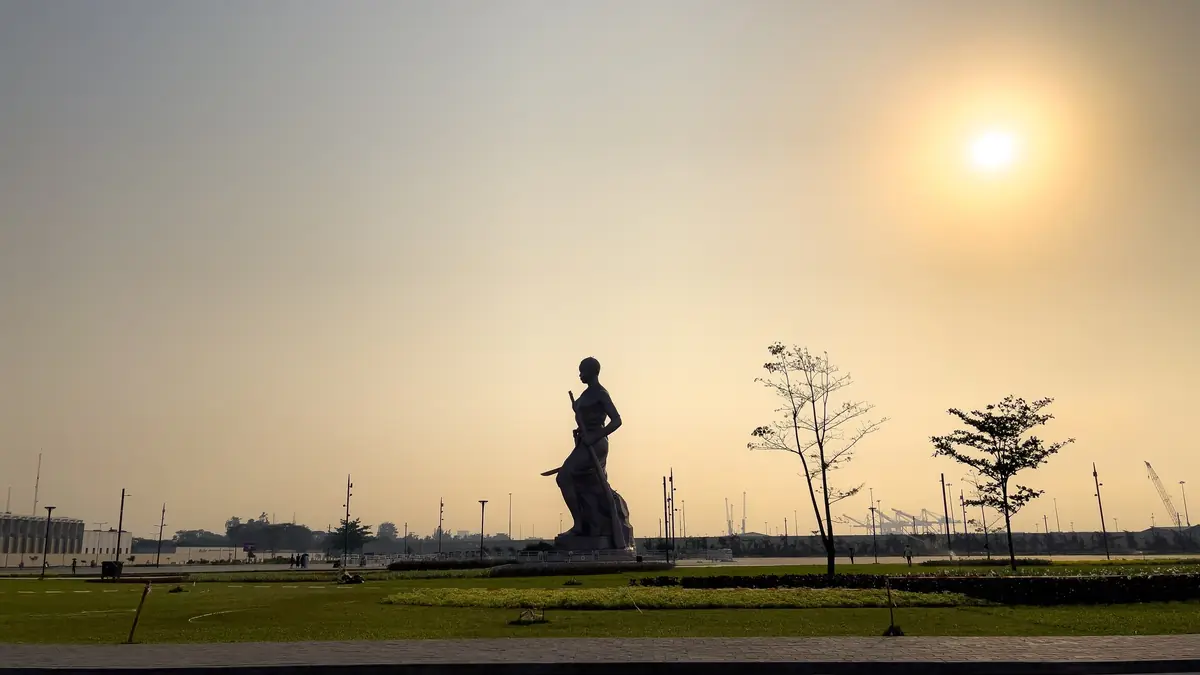
From sunset to sunrise
Doors open in the late afternoon; the final performance takes place in the early hours of the morning. The full programme is available on the official website.
Ticket office, craft market, food court featuring Cotonou’s top restaurants, and drinks by the water’s edge.
Up-and-coming artists from Benin and the wider region kick things off — young artists from the Afro, rap and alternative scenes.
The heart of the festival: DJ sets, live Afrobeat, coupé-décalé and pan-African hits. A massive, festive atmosphere.
Resident DJ, slower-paced sets, winding down before the night ends. Head off in the early hours or head to an after-party in the city centre.
The soundtrack
Whether between headliners, on open-air stages or in the maquis of Cotonou, this music tells the story of the country.
vodun brass and percussion: the Gangbé Brass Band has made this sound famous all over the world. It can be heard in parades and neighbourhood festivals.
A slow, solemn rhythm originating from the royal ceremonies of Abomey, carried by powerful voices. Many contemporary artists draw inspiration from it.
The style developed by Sagbohan Danialou, which blends traditional rhythms with modern instruments. A staple of Beninese celebrations.
In the 1970s, the Orchestre Poly-Rythmo de Cotonou blended funk, Afrobeat and vodun rhythms. Angélique Kidjo has taken these roots to the world’s biggest stages.
Rap in Fon and French, Afro-pop, urban sounds: Benin’s younger generation is coming into its own in the late afternoon, before the big names take to the stage.
The website
A site by the sea, divided into clearly distinct areas: knowing where to go means you can make the most of everything.
The festival’s main beach, just a few minutes from Cotonou city centre.

A large stage hosting pan-African headliners.
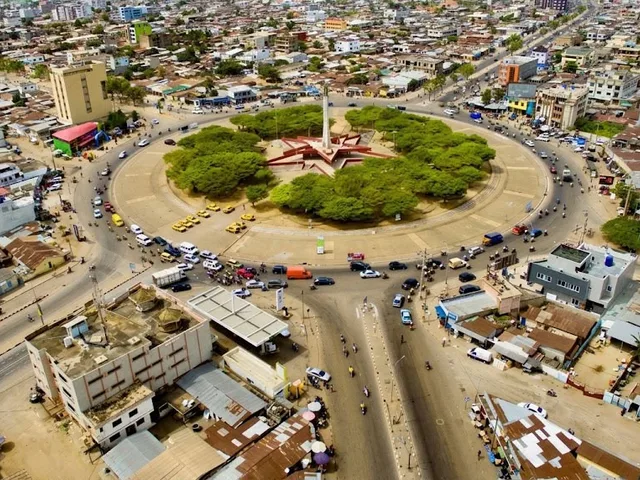
A space dedicated to the emerging music scene in Benin and the wider region.
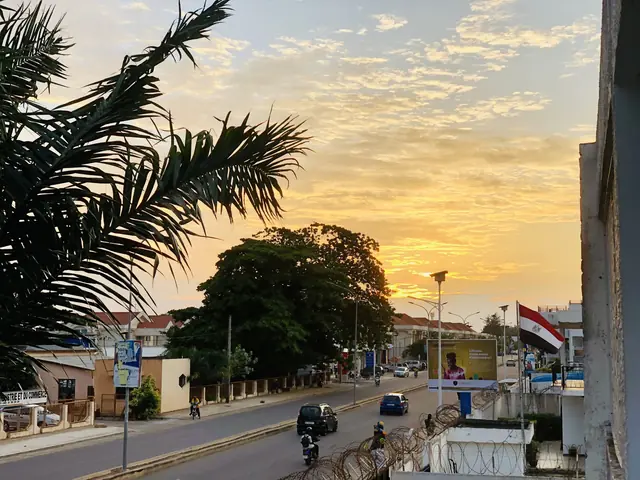
Premium suite with sea views, personalised service, exclusive bar.
Surviving the Night
Tickets, shoes, return journey: what you need to have sorted before you arrive on the beach.
Buy the 2-day pass as an early bird — it’s much cheaper.
Closed-toe trainers or espadrilles. Walking on sand in flip-flops gets tiring very quickly.
Pack a light shirt: the sea breeze picks up after midnight.
There are few ATMs on site. Please withdraw cash beforehand or use mobile payment.
Booking a private hire car in the early hours: availability plummets at 4 am.
Practical information
On-site food court featuring Cotonou’s top restaurants. Braised fish, kebabs, tchoukoutou on tap.
Security checks at the entrance; plenty of security staff. Stay on the premises — security is less stringent outside the beach area.
Sand everywhere — difficult for wheelchair users. The bar area has a hard floor; please let the staff at reception know.
Cashless bar — wristbands that can be topped up in advance by card or mobile money.
Born out of a desire for a professional and internationally recognised music scene in Benin, Weloveya has established itself as the time of year when the diaspora returns home and local artists gauge their audience. The festival takes place on Cotonou beach, overlooking the ocean.
The programme will be unveiled in three waves from October onwards, with doors opening in the late afternoon and the final concert in the early hours of the morning. There’ll be a food court featuring the best maquis in Cotonou, a craft market and a chill-out area by the water’s edge. Two options: 1-day or 2-day passes, with VIP tickets including a premium area and drinks.
Fidjrossè Beach in Cotonou is served by all taxis and ride-hailing services (Yango, Gozem). Make sure you wear comfortable clothes for walking on the sand and take a light jumper – nights by the sea are still chilly in December. The festival weekend is the busiest time of the year for hotels in Cotonou, so book early.
The evening’s highlights
The evening builds in intensity, then gradually winds down until dawn.
Craft market, food court, drinks by the water. The festival is slowly building up to a head.
The emerging Beninese music scene kicks things off. Rap, Afro-alternative, fusion acts.
The heart of the festival. Afrobeat, coupé-décalé, amapiano — the headline line-up that draws the crowds.
Residents and guests keep the sets going until dawn. There’s a chill-out area for those who want to take a breather.
One last set facing the ocean, coffee on the sand. We set off together early in the morning, then cycled back to the centre.
For a long time, Cotonou’s music scene has relied on hotel parties, lively maquis and the occasional concert to keep it alive. What was missing was a unifying event — a festival capable of bringing together, for a whole night, the Beninese music scene, the diaspora returning for the festivities, and the pan-African headliners who keep the continent buzzing.
Weloveya is part of this drive to professionalise the Beninese music scene. The festival is deliberately held in late December, when the diaspora is back home, when the major African tours come to a halt, and when Fidjrossè beach provides the ideal setting for two nights of open-air performances.
The next day
Cotonou is a great place to explore after a sleepless night: markets, contemporary art and the lagoon.
The largest market in West Africa, just 15 minutes from the venue. The perfect way to soak up the atmosphere of Cotonou by day before a night out.
Contemporary African art, temporary exhibitions. Open during the day, free admission.
Festival venue — but also a lovely spot for a daytime stroll. Beach huts and grilled fish served all day long.
45 minutes away: the lakeside town. A half-day trip to make up for the sleepless nights.
Before buying your ticket
Officially 16 years old when accompanied by an adult. Certain areas (such as the VIP bar) are strictly 18+.
No — each ticket is valid for the specified night. You need a 2-day pass to travel on both dates.
None. Beachwear, streetwear or smart-casual outfits — they all go together. Just make sure you’ve got a pair of trainers and a jacket for the evening.
Yango and Gozem run all night, but they’re in high demand. Book in advance or travel in a group.
Yes, a chill-out area with sun loungers, soft lighting and a resident DJ playing laid-back tunes. Access is included with all tickets.
Other festivals
These events are part of the same season or theme. They are best experienced as part of the same trip.
Plan your stay
Every year, our team organises bespoke tours during the event — including airport pick-up, accommodation, transport, a French-speaking guide and access to the programme’s key events.